Inquiry Us
Leave Your Message

10 CNC Machine Buying Tips What Should Global Buyers Know?

Buying a Cnc Machine is a capital decision, not a simple equipment purchase. Global buyers must assess accuracy, productivity, service, software, and long-term operating costs together. A polished brochure cannot reveal every production risk.

The VDW’s 2024 world machine tool review valued global consumption at approximately €80 billion in 2023. Its findings also showed uneven regional demand and continued pressure on manufacturers. In the United States, AMT reported machine tool orders above $5 billion during 2023. These figures indicate a competitive market, but they do not guarantee a suitable machine for every factory. A five-axis model may look impressive beside a shop floor, yet it could remain underused without trained programmers, stable tooling, and suitable workholding.

Lean manufacturing pioneer Taiichi Ohno stated, “Without standards, there can be no improvement.” His principle remains practical when comparing spindle speed, positioning accuracy, cycle time, maintenance response, and energy consumption. Buyers should request test cuts using their own material and drawings. They should inspect sample parts, not only machine specifications. Ask about local technicians, spare-parts availability, controller updates, and warranty exclusions.

No checklist is perfect. Supplier claims still require verification. A lower purchase price can become expensive through downtime, rejected parts, or difficult integration. The following ten Cnc Machine buying tips translate market evidence into questions global purchasers can use before signing a purchase order. Expect careful comparison, uncomfortable questions, and a few revisions to the original budget.
10 CNC Machine Buying Tips What Should Global Buyers Know?

Define Your CNC Machining Requirements and Production Goals

Before comparing CNC machine prices, define the work it must perform. List the materials, part dimensions, tolerances, surface finish, and expected monthly volume. A small aluminum bracket needs different capacity than a large steel housing. Include drawings, 3D files, and critical measurement points. Missing details create expensive assumptions.

Tips: Write a one-page production brief. State the tightest tolerance, largest tool diameter, workpiece weight, and required cycle time. Confirm whether five-axis movement is genuinely necessary. It may increase cost without improving your parts. Ask for sample machining data, inspection methods, and material certificates. Practical evidence matters more than attractive specifications.

Your production goal should include both today’s demand and realistic growth. A machine for prototypes may not suit continuous production with repeated fixtures. Check spindle power, axis travel, automatic tool capacity, chip removal, and operator access. Also define your factory conditions, including available floor space, electrical supply, compressed air, and temperature control. I have seen buyers focus on accuracy while overlooking loading time. That mistake quietly reduces output. Leave room for honest review. Your first requirement list may be incomplete, and that is normal. Revise it after testing sample parts and measuring actual cycle times.

Compare CNC Machine Types, Capabilities, and Specifications

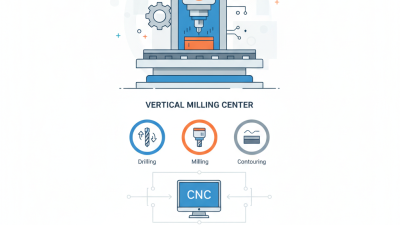
Global buyers should compare CNC machines by production needs, not catalog size. A three-axis machining center suits flat parts and lower tooling costs. A five-axis machine reaches complex surfaces with fewer setups. Turning centers handle cylindrical components, while Swiss-type machines support small, precise parts. According to MarketsandMarkets, the CNC machine market was valued at about USD 83.8 billion in 2024 and may exceed USD 114 billion by 2029. Growth does not make every machine suitable.

Study the specifications line by line. Check X, Y, and Z travel against the largest workpiece, leaving room for fixtures. Spindle speed matters for aluminum, but torque matters more for steel. A 12,000-rpm spindle is not automatically better. Review positioning accuracy, repeatability, tool capacity, coolant pressure, chip removal, and electrical requirements. ISO 230 testing provides a useful basis for evaluating machine-tool accuracy, although factory results may differ on the shop floor.

A five-axis machine can reduce repositioning and improve access to difficult surfaces. It can also increase programming, inspection, and maintenance demands. In practical purchasing reviews, cycle time should be measured with the real material, tooling, and fixture. Paper specifications often look perfect. They are not the whole story. Buyers should request sample cuts, tolerance reports, service-response data, and operator training details. The International Federation of Robotics reported more than 4.2 million industrial robots operating worldwide in 2023, showing how strongly manufacturers value automation. Still, automation without stable processes can magnify small mistakes. Recheck the assumptions.

Evaluate Accuracy, Materials, Software, and Automation Features

10 CNC Machine Buying Tips: What Should Global Buyers Know?

Evaluate Accuracy, Materials, Software, and Automation Features

When comparing CNC machines, accuracy deserves evidence, not optimistic specifications. Ask for a sample cut using your intended material, tool diameter, and tolerance. Inspect hole spacing, surface finish, and edge quality with calibrated instruments. Repeat the cut. A machine may perform well for ten minutes, then drift after hours of heat buildup. Check positioning accuracy, repeatability, spindle stability, and calibration procedures. Request dated test reports and maintenance records from the supplier. Small errors matter.

Material choice changes nearly every buying decision. Aluminum may require high spindle speed and sharp tooling, while stainless steel demands rigidity and controlled heat. For wood, plastics, or composites, dust removal and chip control become practical concerns. Ask whether the frame, guides, table, and coolant system suit your daily workload. Do not size the machine only for today’s parts. Leave room for thicker stock and longer tools. Yet oversized equipment can waste floor space, power, and training time. That assumption can fail.

Software should match operator skill and production goals. Check file compatibility, postprocessor reliability, tool libraries, simulation, and offline programming. Run a real job from design file to finished part before purchase. Automation features need equal scrutiny. Look for tool measurement, workpiece probing, automatic tool changing, and recovery after a power interruption. These functions reduce repetitive labor, but they also add sensors and failure points. Ask who can diagnose faults remotely and how quickly replacement components arrive across borders. Clear manuals, training, and service records signal a more dependable supplier. Setup time is often underestimated. No machine is maintenance-free.

Assess Supplier Reliability, Support, Compliance, and Total Costs

Buying a CNC machine across borders is not only a specification exercise. I have seen attractive quotations fail when factory records were vague or after-sales promises stayed verbal. Ask for legal registration, export experience, production capacity, and recent customer references. Request a video call from the workshop, not only polished photos. Check whether spindle, controller, and accuracy figures match the test report. Small inconsistencies matter.

Support should be measured before payment. Get response times, installation scope, training hours, spare-parts availability, and remote diagnostic procedures in writing. Confirm who pays for travel, customs clearance, replacement components, and site preparation. A reliable supplier can explain common faults without hiding behind technical language. Ask for a sample maintenance schedule and an escalation contact. Keep records.

Compliance requires more than a familiar safety label. Verify electrical requirements, machine guarding, documentation, and import rules with qualified local advisers. Requirements differ by destination and application. Calculate five-year costs, including freight, insurance, duties, tooling, software, energy, maintenance, downtime, and training. Cheap may become expensive. I still allow a contingency because delivery dates and installation assumptions can be wrong. That is not pessimism; it is practical purchasing discipline.

10 CNC Machine Buying Tips: What Should Global Buyers Know?

This indicative buyer scorecard prioritizes the factors that most directly affect machine performance, import risk, uptime, and total cost of ownership. Buyers should verify each score against their own production volume, local regulations, part requirements, and supplier documentation.

Verify Machine Quality Through Testing, Inspection, and Delivery Planning

A machine can look flawless and still miss tolerances. Global buyers should demand a factory acceptance test before payment. Use ISO 230-2 principles to verify positioning accuracy and repeatability. A laser interferometer, ballbar test, and spindle runout check provide measurable evidence. Ask for raw test files, not only polished certificates. Small details matter.

Cut a sample part using your material, tooling, and programmed cycle. Measure holes, flatness, surface finish, and cycle time with calibrated instruments. Record ambient temperature and machine warm-up time. The 2023 World Manufacturing Forum report highlights the growing importance of resilient, data-driven production. Yet digital dashboards cannot repair poor geometry. I have seen buyers trust screenshots too quickly. That mistake is expensive.

Use an independent inspector for final checks, especially when remote purchasing is involved. Confirm serial numbers, options, electrical standards, manuals, spare parts, and operator training. Then plan delivery like an engineering task. UNCTAD’s Review of Maritime Transport 2023 states that more than 80% of global merchandise trade moves by sea. Crating must therefore resist vibration, humidity, and handling shocks. Add desiccant, tilt indicators, shock labels, and internal bracing. Photograph the sealed crate from every side. Delivery terms should define insurance, unloading equipment, customs documents, and responsibility for damage. Perfect planning is unlikely. Clear evidence is better than optimism.