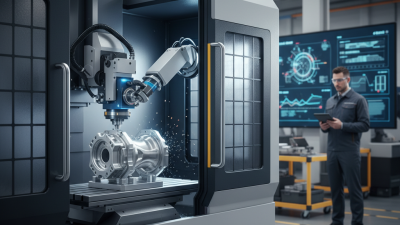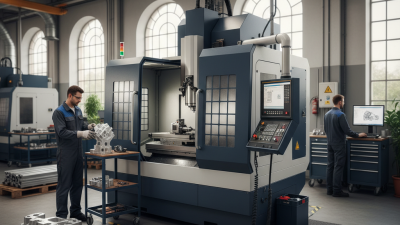
A Vertical Milling Center (VMC) is an advanced machining tool designed for precision and efficiency. It allows for intricate cutting and shaping of materials, making it essential in manufacturing. Understanding how a VMC works can enhance productivity and improve machining outcomes.
The VMC operates using vertical cutting tools that move along multiple axes. This multi-axis movement permits complex parts to be produced swiftly. The machine's ability to maintain tight tolerances makes it a go-to for industries like aerospace and automotive. Operators often report that mastering the VMC can be challenging.
Effective operation requires a combination of technical skill and practical experience. There are common pitfalls, such as improper tool selection or incorrect programming. Addressing these issues can lead to enhanced reliability and better results. Exploring these machines further will reveal the intricacies of their design and function.
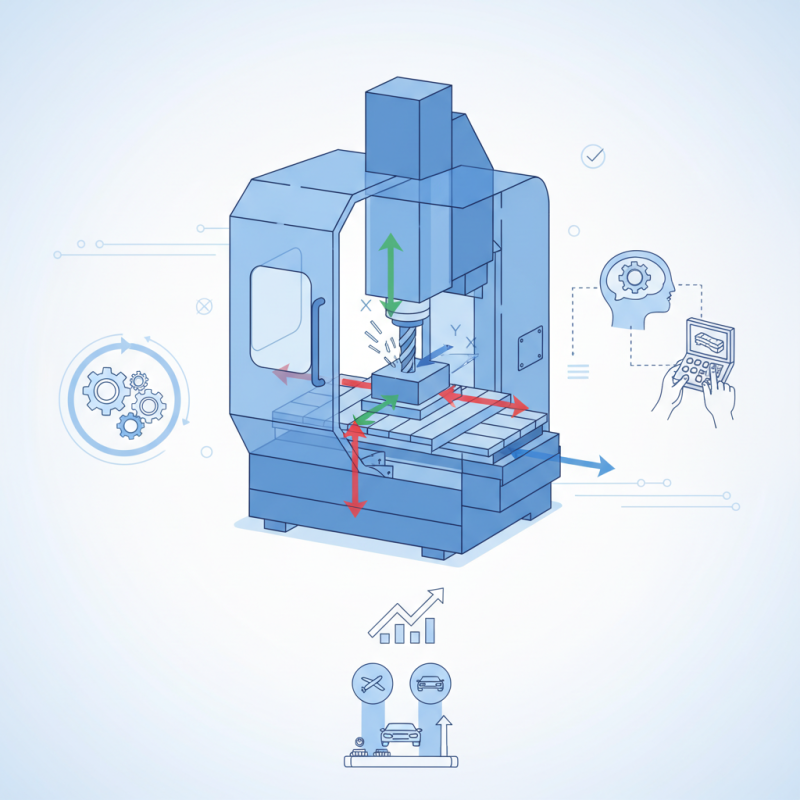
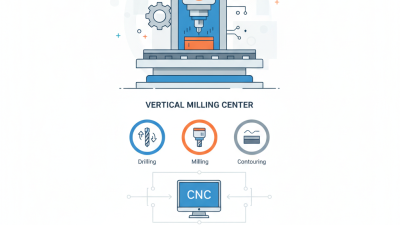
A vertical milling center is a vital machine in the realm of manufacturing. It utilizes a vertical spindle for cutting operations, allowing for precise machining of various materials. This center typically has a cutting tool that moves up and down. The workpiece is secured to the table, which can move in multiple directions. This setup gives machinists the flexibility to achieve intricate designs.
One of the strengths of a vertical milling center is its ability to handle complex shapes. However, despite its advantages, it requires skillful operation. A novice operator might struggle with programming the machine or aligning the workpiece properly. Ensuring the right feed rate and cutting speed can be challenging, leading to less than optimal results. Software-guided operations are improving these aspects, but human oversight remains crucial.
Regular maintenance is essential for longevity and performance. Without it, the machine may develop issues that impact precision. Components like the spindle and bearings need attention. Many operators may overlook these points, leading to breakdowns. This lack of diligence can halt a production line, causing monetary losses. Such reflections highlight the importance of both skill and care in operating a vertical milling center.
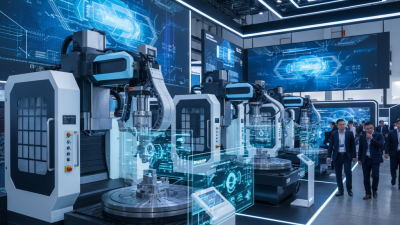
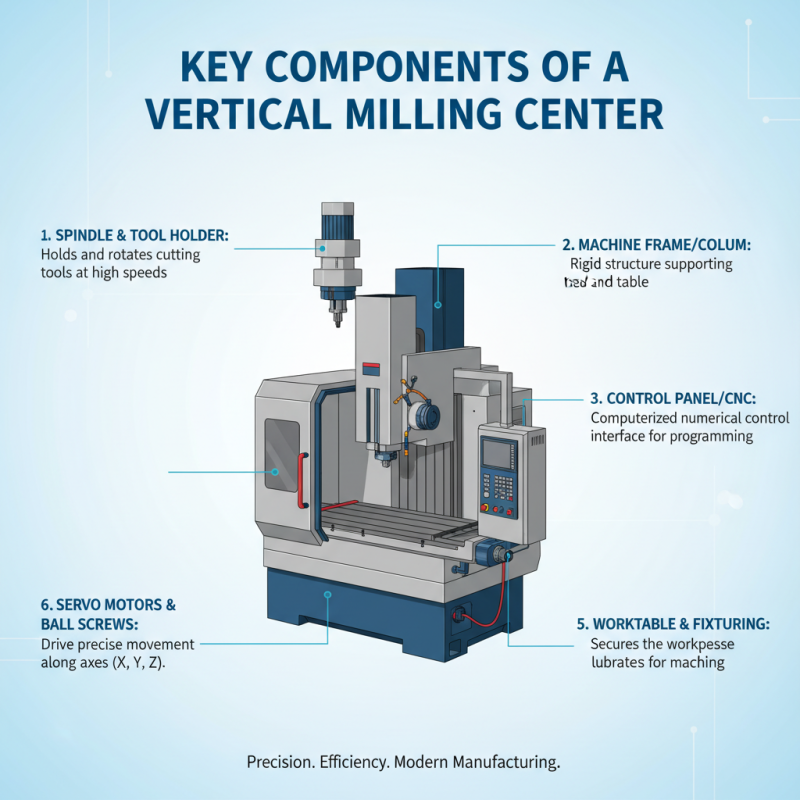
Vertical milling centers (VMCs) are crucial in modern manufacturing. They enable precise machining of various materials, enhancing productivity. The design of these machines incorporates several key components that work together to ensure efficiency and accuracy.
The spindle is a vital part of a vertical milling center. It houses the tool and rotates at high speeds, typically ranging from 1,000 to 10,000 RPM. This high-speed capability allows the operator to perform intricate cutting operations. Moreover, recent industry reports indicate that the spindle’s performance can significantly impact machining time. For complex parts, a powerful spindle can reduce production time by up to 40%.
Another important component is the table, which supports the workpiece. Tables come in various sizes and can accommodate heavy loads. A rigid and large table minimizes vibrations, leading to better surface finishes. According to data from industry analyses, larger tables can improve machining stability, thereby enhancing overall output quality. Additionally, effective coolant systems are essential. They prevent overheating, allowing the cutting tools to last longer and increasing the efficiency of machining operations. However, many users do not fully optimize coolant application, which can lead to tool wear and reduced productivity.
A vertical milling center operates through a series of precise movements and control mechanisms. This machine utilizes a vertically oriented spindle to perform various machining operations. The spindle's rotation allows it to cut materials with great accuracy. Many manufacturers rely on these machines for their versatility and efficiency. According to a report by the International Society of Automation, the adoption of vertical milling centers has increased by 45% in the past decade.
The operation hinges on computer numerical control (CNC) technology. CNC enables precise programming of cutting paths and speeds, resulting in reduced human error. A study by the National Institute of Standards and Technology indicates that CNC milling machines can achieve tolerances within 0.001 inches. The vertical design allows for easy access to the workpiece, making setup and adjustments simpler.
Despite the advantages, there are challenges. Proper maintenance is crucial to avoid downtime. When not calibrated correctly, these machines may produce defects. Many operators report a learning curve associated with effectively programming and manipulating the equipment. Overall, while vertical milling centers offer numerous benefits, attention to detail in operation and maintenance is essential for optimal performance.
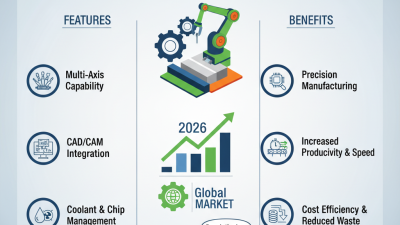
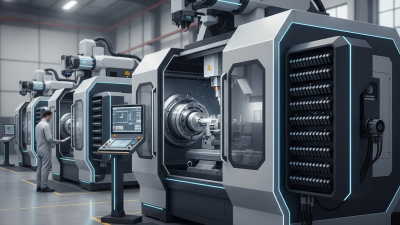
Vertical milling centers (VMCs) play a crucial role in modern manufacturing. Their versatility allows for the production of complex parts with high precision. According to a report by the International Federation of Robotics, the demand for VMCs has seen a steady increase, with a growth rate of approximately 8% annually over the last five years. Industries like aerospace, automotive, and medical device manufacturing heavily rely on these machines to improve efficiency and accuracy.
One significant application of VMCs is in the aerospace sector, where weight reduction is critical. Manufacturers utilize VMCs to create intricate components from lightweight materials. This not only reduces costs but also enhances fuel efficiency in aircraft. Similarly, in the automotive industry, VMCs are employed to manufacture components that require consistent quality and precision, like engine parts and transmission systems. A study by the Society of Manufacturing Engineers highlighted that companies using VMCs report a 30% increase in production rate compared to traditional machining methods.
However, challenges remain. Some manufacturers struggle to fully leverage the capabilities of VMCs due to a lack of skilled personnel. Additionally, the initial cost of investing in advanced VMC technology can be daunting for small-to-medium enterprises. These hurdles need continuous reflection and strategic planning to overcome. The reliance on automation may enhance production but can also lead to job displacement, raising concerns within the workforce.
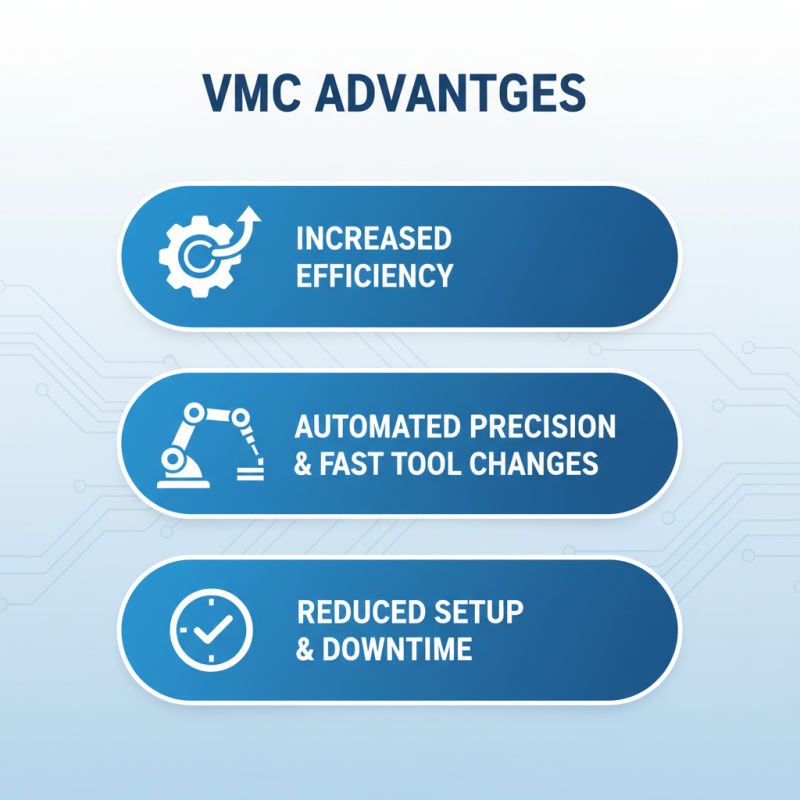
Vertical Milling Centers (VMCs) offer numerous advantages over other types of machining equipment. One key benefit is their efficiency. Thanks to programmable controls, VMCs can carry out complex tasks with precision. This reduces the time needed for setup and increases overall productivity. Fast tool changes allow for quick transitions between tasks, minimizing downtime.
Another advantage lies in the versatility of VMCs. They can handle a wide range of materials, making them ideal for various projects. From metals to plastics, VMCs adapt easily. This flexibility helps manufacturers tackle different jobs without needing multiple machines. However, operating a VMC requires skilled personnel who understand its capabilities and limitations. It's essential to choose the right settings for each task.
Maintenance is another area where VMCs can be both advantageous and challenging. Regular upkeep is crucial for optimal performance, but it demands time and expertise. Neglecting maintenance can lead to costly breakdowns. Understanding these nuances helps in maximizing the effectiveness of a VMC, revealing areas for potential improvement. Emphasizing training and ongoing education is vital in harnessing the full potential of vertical milling technology.