Inquiry Us
Leave Your Message

Top 10 Tips for Choosing the Right Vertical CNC Machine?

Choosing the right vertical CNC machine can significantly impact your manufacturing efficiency. The global CNC machine market is projected to reach $100 billion by 2026, according to a recent industry report. This growth showcases the increasing reliance on advanced machining technologies. Vertical CNC machines, in particular, are favored for their precision and versatility in various applications.

However, selecting a suitable machine requires careful consideration. Factors like spindle speed, tooling options, and machine size can affect production outcomes. A study by the Association for Manufacturing Technology indicates that improper machine selection can lead to a 20% decrease in productivity. Such data highlights the importance of informed decision-making.

Many businesses overlook critical specifications. This oversight can result in inefficiencies and unexpected costs. A detailed approach is necessary, one that addresses functionality and long-term maintenance. Investing time in understanding vertical CNC machines will pay dividends in productivity and overall success.
Top 10 Tips for Choosing the Right Vertical CNC Machine?

Understanding Vertical CNC Machines: An Overview

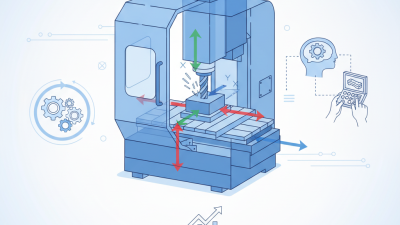
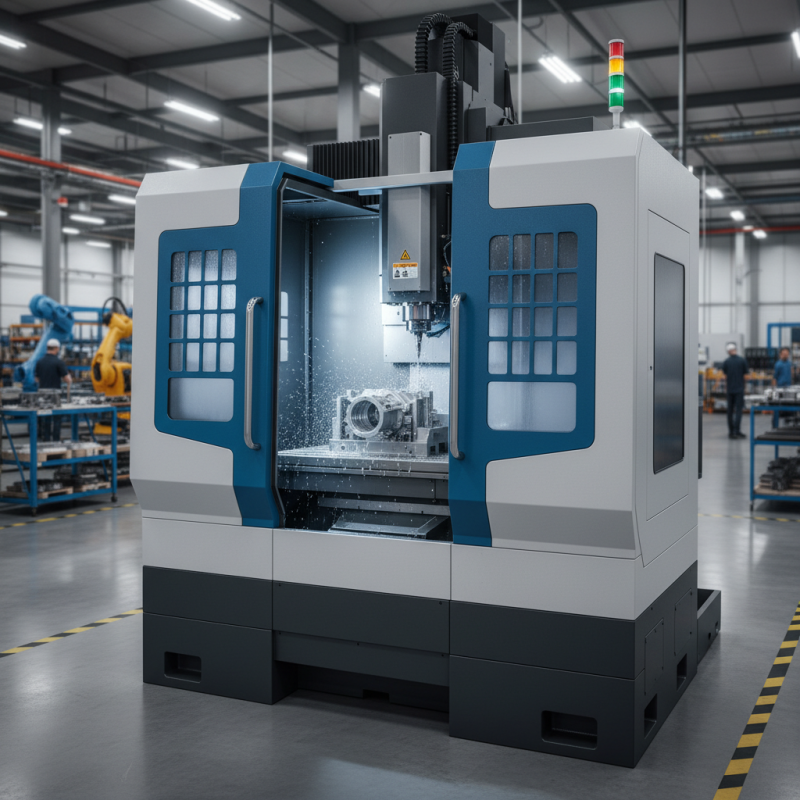
Vertical CNC machines are essential in modern manufacturing. They offer precision and speed for a variety of applications. Understanding their key features is crucial for making an informed choice. Unlike their horizontal counterparts, vertical machines present unique benefits. They are often compact and provide easy access to the workpiece. This makes setup and adjustment straightforward.

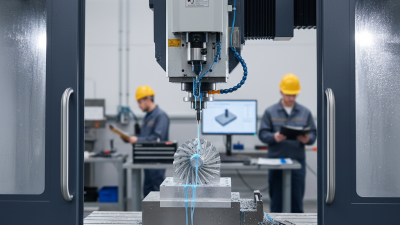
These machines are particularly effective for tasks requiring intricate designs. They excel in milling operations, where depth control is vital. However, not every shop needs a vertical CNC machine. Consider factors like available space and production volume. A larger machine might not be necessary for smaller projects.

Maintenance is another critical aspect. Users must regularly check for wear and tear. Neglecting this can lead to significant downtime. Additionally, operators should be trained adequately. This ensures safety and efficiency. A well-informed team maximizes the machine's capabilities. Investing in education can pay off in the long run.
Identifying Your Machining Needs and Specifications

Top 10 Tips for Choosing the Right Vertical CNC Machine?

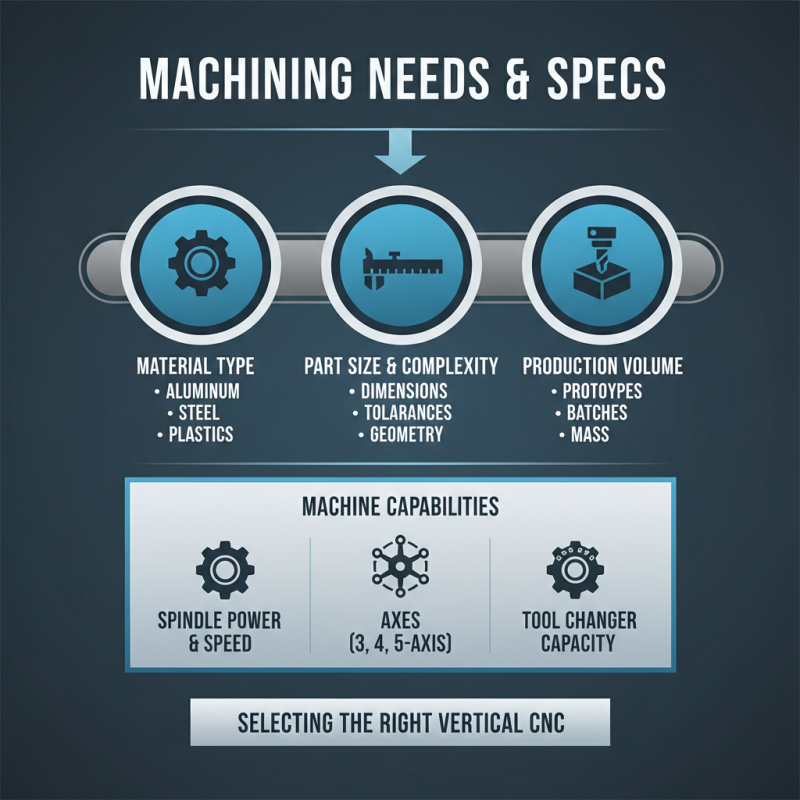
Choosing the right vertical CNC machine begins with a clear understanding of your machining needs. You must identify the materials you will be working with—aluminum, steel, or plastic? Each material has unique properties and requires specific machining techniques. Knowing the material helps narrow down the machine's capabilities.

Next, consider the complexity of the parts you'll produce. Are your designs simple or do they incorporate intricate details? Machines have different tolerances and capabilities. Understanding this will lead you to a suitable machine. Additionally, think about the volume of production. Will you produce parts in small batches or mass production? This can influence your choice of spindle speed and tool types.

Lastly, don't overlook the importance of your workspace's layout and available power supply. Size matters. A machine that fits well in your shop will enhance efficiency. Evaluate your available resources and limitations. Reflecting on these factors can help you choose wisely. Identify key aspects of your operation to avoid costly mistakes later on.

Evaluating Material Compatibility for Your CNC Machine

When selecting a vertical CNC machine, evaluating material compatibility is crucial. Different machines are designed for various materials. Steel, aluminum, and plastic each demand specific features in a CNC machine. You should consider factors like cutting speed and torque. Not every machine will perform equally well on all materials.

Material density can also impact your choice. Heavier materials may require more robust machines. If you overlook this, you risk damaging both the material and the machine. Additionally, some materials require specialized tooling. For example, composites are sensitive to heat and may not work well with standard cutters.

Testing a CNC machine's performance on your target material is essential. Conducting small trials helps assess the machine's efficiency. This step can save time and money down the line. However, it's worth noting that early tests may not always reflect long-term reliability. Continuous evaluation and adjustments will be necessary as your projects evolve.

Top 10 Tips for Choosing the Right Vertical CNC Machine

Tip No. Tip Description Material Compatibility Recommended Applications
1 Determine the primary material you will be machining. Aluminum Aerospace parts, automotive components
2 Assess the thickness of the material. Steel Structural frames, machine parts
3 Evaluate the hardness of the material. Titanium Medical implants, aerospace parts
4 Consider the complexity of parts you will create. Plastics Consumer products, prototypes
5 Check for coolant and lubrication requirements. Copper Electrical connections, heat exchangers
6 Identify any special tooling needed for the material. Glass Decorative items, technical applications
7 Estimate the production volume to justify the investment. Composites Aerospace structures, automotive parts
8 Analyze the tolerance requirements for your projects. Hard metals Precision tools, industrial applications
9 Investigate available software support for machinery. Foams Packaging, insulation
10 Consult experienced users or forums for insights. Aluminum alloys Automotive engineering, lightweight structures

Considering Space and Machine Size Requirements

When choosing a vertical CNC machine, understanding your space and machine size requirements is crucial. Assess your workshop layout carefully. Consider the available floor space, ceiling height, and surrounding equipment. A machine that is too large may hinder workflow. Conversely, a compact machine might limit productivity.

It's also essential to evaluate door sizes and entry points. Can the machine fit through? Consider transportation and installation logistics, as these factors can complicate the entire process. You may even need to adjust the layout of your workshop to accommodate the new equipment.

Furthermore, think about future needs. Will your projects grow in complexity and scale? Choosing a slightly larger machine now could save you from outgrowing your investment later. However, avoid the trap of overestimating space—measure twice to avoid costly mistakes.

Balancing space requirements with your operational goals is an ongoing challenge.

Examining Budget and Cost of Ownership Factors

When considering the budget and cost of ownership for a vertical CNC machine, the initial purchase price is just one factor. According to a recent industry report, the cost of ownership extends beyond just the buying price to include maintenance, software updates, and potential downtime. Research indicates that ongoing maintenance can account for 15-25% of the total operational costs over the machine's lifetime.

Understanding these financial implications can guide you in making the best choice. Look for machines that offer low maintenance requirements. They often have robust parts that reduce overall costs. An optimal investment in a CNC machine can decrease long-term expenses.

Tip: Calculate the total cost of ownership over five years. This should include maintenance, parts, and operational costs. Choose machines with a good reputation for reliability. A more expensive machine might save money in the long run.

Keep in mind potential hidden costs like training for your team. Investing in effective training enhances productivity. A well-trained operator can significantly minimize errors and increase output. Balancing budget considerations with these long-term factors is crucial.