How to Choose the Right Vertical Turning Center for Your Needs?
Choosing the right Vertical Turning Center can be challenging. Industry expert, John Smith, states, “Selecting the perfect machine is crucial for operational efficiency.” His insights highlight the importance of precise selection.
Vertical Turning Centers play a vital role in metalworking. They offer distinct benefits like saving space and reducing cycle times. However, not every machine meets every need. Each shop has unique demands. Asses your production volumes and types of materials you handle.
Investing in a Vertical Turning Center requires careful thought. Understanding your specific applications is key. A poor choice can lead to inefficiencies. Strive for machines that align with your processes. Reflect on past experiences before making a decision. What works for one company may not work for yours.
Understanding Vertical Turning Centers: An Overview of Features
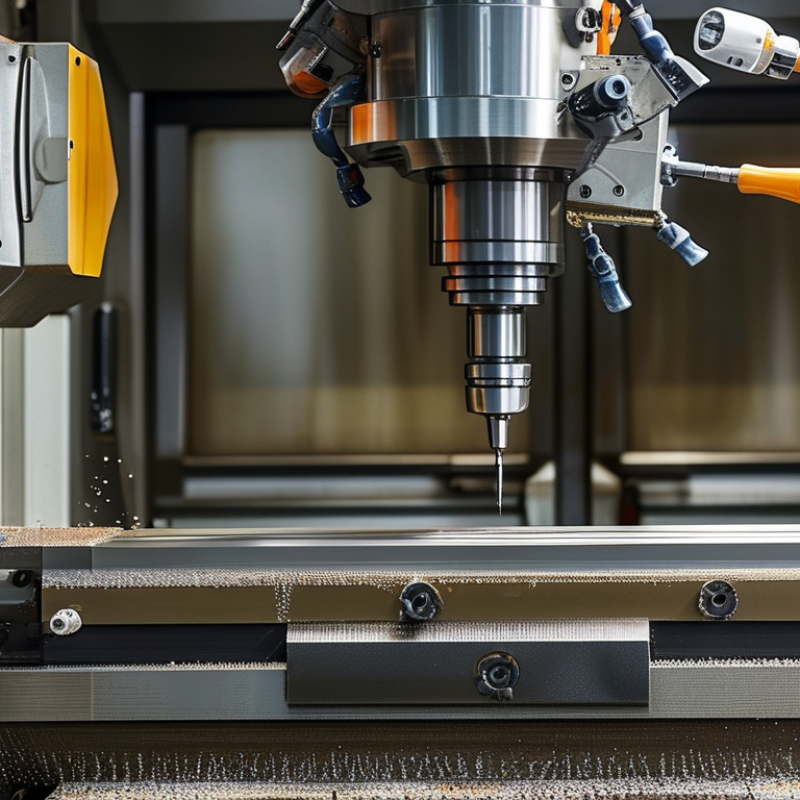
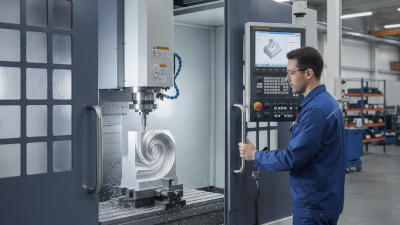
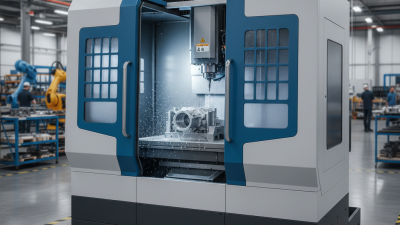
When selecting a vertical turning center, understanding its key features is crucial. Vertical turning centers excel in machining large, heavy components with high precision. They usually come equipped with robust spindle systems and enhanced loading capabilities. Their design allows for better chip removal, improving efficiency and surface finish.
Tips: Prioritize the size and weight capacity you need. Consider the materials you will be machining. Heavy-duty tasks need stronger machines.
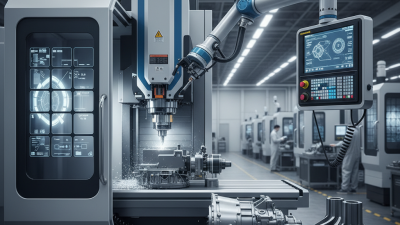
Another feature to examine is the control system. Modern vertical turning centers utilize advanced CNC technology for improved performance. This enables operators to run complex parts with minimal downtime. Advanced programming options also allow for versatility in production.
Tips: Familiarize yourself with the software. Ensure that it meets your team’s needs. Training can reduce errors and boost productivity.
Pay attention to the tool holder systems, too. A variety of tool holder options enhances flexibility in operations. Consider whether the machine supports quick-change tools, which can significantly speed up setups. Reflect on how often you'll change tools and adjust your choice accordingly.
Key Specifications to Evaluate When Choosing a Vertical Turning Center
When selecting a vertical turning center, key specifications require careful consideration. The machine's swing diameter defines the size of the workpiece it can handle. A larger swing diameter allows for bigger components, which is crucial in industries such as aerospace and automotive. According to the American Society of Mechanical Engineers, manufacturers often seek machines with a swing diameter of at least 24 inches for optimal versatility.
Another crucial specification is the machine's spindle speed. A higher spindle speed enables efficient material removal and can significantly reduce cycle times. Industry reports from the Manufacturing Institute suggest that machines with spindle speeds above 2,500 RPM tend to improve productivity by up to 30%. However, it is essential to balance speed with torque; too much speed without adequate torque can lead to poor surface finishes and increased wear on tooling.
Consider the control system of the vertical turning center as well. Advanced CNC systems provide enhanced programmability, allowing for intricate machining tasks. While many systems are user-friendly, they can sometimes complicate operations if not properly understood. It's vital to invest time in training operators to prevent costly mistakes and maximize efficiency. Regular updates and maintenance of software are also necessary to maintain reliability.
Comparative Analysis of Leading Brands in the Vertical Turning Market
When selecting a vertical turning center, it's crucial to analyze the features of leaders in the market.
Recent data indicates that key factors affecting performance include spindle speed,
torque, and workpiece capacity.
Top manufacturers often have units with spindle speeds exceeding 4,500 RPM, and a torque rating of at least
200 Nm is typical for heavy-duty applications.
Another aspect to consider is user-friendliness. An ergonomic design can enhance productivity,
but not all machines excel here. Some brands have been criticized for their complex interfaces,
which can slow down training and operation. Efficiency ratings vary significantly
across models, with some showing as much as a 30% improvement in cycle time under optimal conditions.
Reliability is also paramount. Data from industry reports suggest that downtime for maintenance can reduce
overall productivity by as much as 20%.
Thus, machines with proven durability and low failure rates are preferable. It's important to weigh these performance
metrics against your specific production needs to make an informed choice. Balancing these factors can be challenging,
as what works well in one environment may not suit another.
Assessing Your Production Volume and Part Complexity Requirements
When choosing a vertical turning center, understanding your production volume is key. Different machines excel under varying workloads. For high-volume production, a robust machine that can handle continuous runs is essential. These machines often come with automated features, which can lead to efficiency and reduced downtime. However, it does present a challenge: a machine that is too advanced can have high upfront costs and require a learning curve.
Part complexity also plays a crucial role in your choice. If you're working with intricate designs or various materials, versatility is necessary. Some vertical turning centers are specialized for simple, high-volume items, while others can tackle complex geometries. Think about the types of parts you manufacture. If they're varying and detailed, investing in a multifunctional machine might be worth it. Remember that each additional feature can affect maintenance and operational simplicity.
Take time to evaluate both aspects. Know that balancing production volume and complexity can be tricky. A machine that fits one requirement may not meet another. It’s important to reflect on your specific needs. This process will ultimately guide you to the right vertical turning center for your production goals.
Budget Considerations: Cost versus Performance for Vertical Turning Centers
When selecting a vertical turning center, budget is a crucial factor. The balance between cost and performance can be challenging. You may find lower-priced machines tempting, but they often compromise on quality. A machine with subpar construction can lead to frequent breakdowns and increased maintenance costs. Investing in a reliable machine can save money long-term.
Performance shouldn’t be sacrificed for a lower initial cost. Analyze your production needs carefully. If speed and precision are crucial, opt for higher-end machines. However, if your projects are less demanding, a more affordable option might suffice. Consider the total cost of ownership, including maintenance, repairs, and downtime.
Reflect on how your production goals align with your budget. Some industries demand superior quality and accuracy. Lower-cost machines might not meet those standards. Evaluate your options comprehensively before making a decision. Ensuring that you choose wisely can enhance productivity and profitability in the long run.