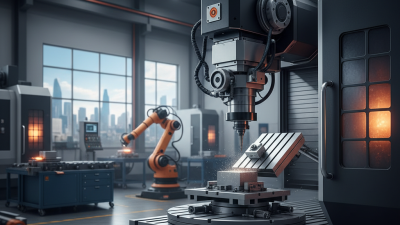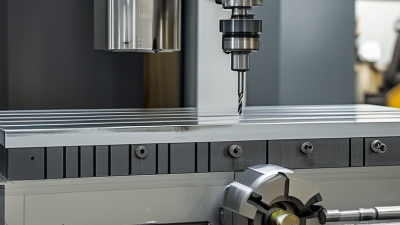
Choosing a Horizontal Cnc Machine is a practical decision, not merely a comparison of prices and spindle speeds. The right model must match your materials, part geometry, production volume, and available floor space. A machine that performs well in a supplier demonstration may behave differently in daily production.
Start by examining the work envelope and pallet size. A casting with deep side pockets may need generous tool clearance and four-axis movement. Check the spindle taper, torque curve, maximum rpm, and tool-change time. These details affect cutting stability, surface quality, and cycle time. Ask for test cuts using your actual material, tooling, and tolerances. Numbers alone can mislead.
Reliability deserves equal attention. Review service response times, spare-parts availability, control-system support, and operator training. Visit an operating factory if possible. Listen for unusual vibration. Watch chip evacuation around the enclosure. Small observations often reveal large costs. Energy use, coolant management, and fixture access also influence long-term value.
A strong Horizontal Cnc Machine should support today’s work without limiting tomorrow’s plans. Consider automation only when it improves repeatability and labor efficiency. More features are not always better. I have seen buyers choose impressive specifications and later struggle with complex maintenance. That mistake is easy to make. Compare verified performance, ownership costs, and supplier credibility before signing. Your final choice should be documented through measurable requirements, sample parts, and a realistic production review. Truthfully, no single machine suits every workshop. The best decision balances capability, risk, and the people who will operate it.
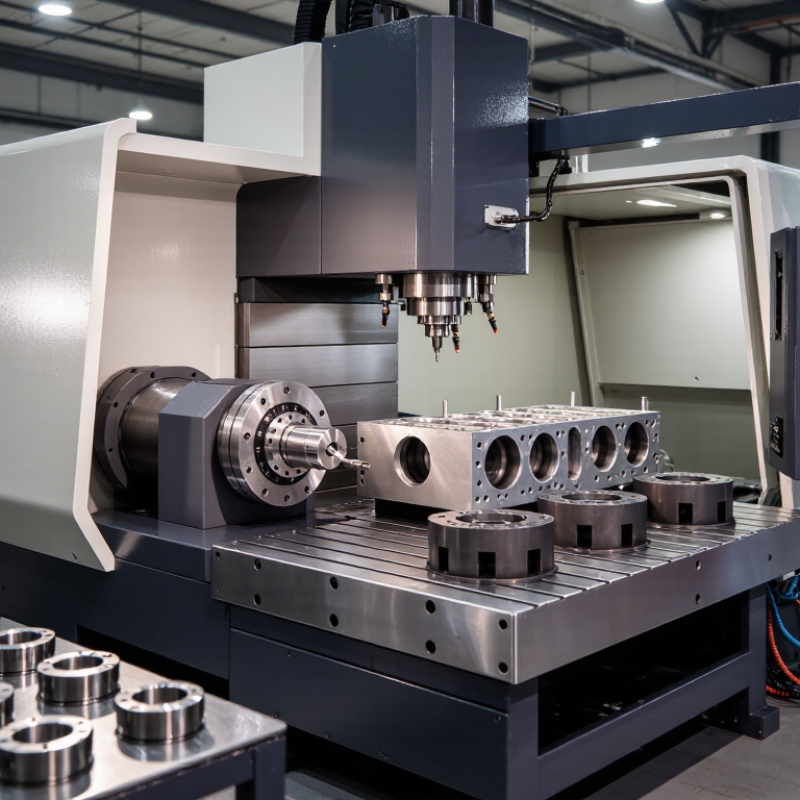
Choosing a horizontal CNC machine starts with the part, not the brochure. Measure the full workpiece envelope, including fixture clearance and tool access. Leave room for chips, coolant, and operator movement. A 600 mm casting may need a larger work zone when clamped. Weight matters just as much. Record the part, fixture, pallet, and workholding mass together. Check the table load rating and the load’s center of gravity. A heavy part placed off-center can affect motion and stability.
Tolerance requirements should be written numerically. State critical dimensions, geometric tolerances, surface finish, and inspection temperature. ISO 230-2 provides methods for testing positioning accuracy and repeatability. Ask for test conditions, measurement equipment, and the latest acceptance results. Do not treat one accuracy number as universal. Thermal drift, axis travel, cutting forces, and setup stiffness can change actual performance. Small tolerances need controlled inspection conditions.
Be practical here. I once underestimated fixture height and lost useful tool clearance. That mistake was expensive. Review sample parts with the machine builder, then simulate the largest and heaviest setup. Ask whether the machine can hold tolerance after several hours of operation. ISO 230-3 can help assess thermal behavior. Still, test cuts reveal details that certificates may miss. Document the result before ordering. Recheck everything.
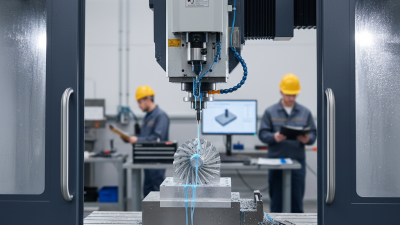
Axis configuration should follow the part, not the machine brochure. A 3+2 horizontal CNC machine fixes the rotary axes, then cuts with three linear axes. It suits angled holes, castings, and repeated fixtures. A 4-axis machine adds controlled rotary movement during cutting. It can reduce repositioning on shafts, plates, and indexed components. Full 5-axis machining moves several axes simultaneously. It supports turbine-like surfaces, short tools, and fewer setups.
The International Federation of Robotics reported 541,302 industrial robots installed worldwide in 2023. That figure reflects stronger automation pressure, but automation does not automatically justify five axes. A 2024 manufacturing workforce report from Deloitte also identifies skills shortages as a major production concern. Complex machines need stronger programming, inspection, and maintenance skills. A cheaper 3+2 setup may produce better results when operators are limited. Sometimes, simpler wins.
Tips: Compare total process time, not only machine price. Measure fixture changes, probing, tool reach, and inspection hours. Ask whether the fourth axis must cut continuously or only index. Check post-processor reliability with real sample files. Run a test part. One overlooked collision can erase months of savings. I would also review five-axis utilization honestly; many shops purchase capability they rarely use. That decision deserves more skepticism.
Choosing a horizontal CNC machine requires more than checking maximum spindle speed. Steel demands patience. Cutting steel usually needs lower speeds, strong torque, and steady power. High torque helps the cutter maintain engagement when removing deep material. A rigid spindle also reduces vibration during heavy roughing operations.
Aluminum cuts faster. It often benefits from higher spindle speeds and efficient chip evacuation. However, speed alone does not guarantee productivity. Excessive rpm can create heat, built-up edges, or poor surface quality. Check the machine’s continuous power rating, not only its short-term peak rating. Power affects material removal rate, especially when using large cutters or deeper radial engagement.
In practical shop testing, I compare torque curves at working speeds. A machine may advertise impressive peak power, yet feel weak below 2,000 rpm. My first estimate was too optimistic once, because the cutter slowed during a steel pocketing test. The programmed feed looked correct, but the spindle load exposed the limitation. Leave capacity for worn tools, interrupted cuts, and less-than-perfect workholding. Aluminum may need excellent coolant flow or air management, while steel often needs controlled coolant delivery. Listen for changes in spindle sound. Watch load percentage and chip shape. These small details often reveal more than a specification sheet.
How to Choose a Horizontal CNC Machine?
Tool capacity should match your real production mix, not an impressive catalog number. Count the tools used in typical jobs, including drills, boring bars, probes, and backup tools. Check maximum tool diameter, length, and weight. A crowded magazine can cause difficult loading and reduce flexibility. Leave several pockets open for urgent replacements. More is not always better.
Chip-to-chip time matters when many tools are used within one cycle. Ask how the supplier measures it. Tool-to-tool testing may exclude spindle positioning, pallet movement, or control delays. Measure the real cycle. During evaluation, record the time between one cutting tool leaving the spindle and the next tool starting reliably. A difference of two seconds can become significant across hundreds of tool changes.
ATC performance also depends on acceleration, arm stability, tool-holder condition, and chip control. Inspect the tool-change motion during repeated production trials, not only during a demonstration. Listen for impact sounds and watch for tool-holder vibration. Confirm recovery procedures after an interrupted change. A fast ATC is not useful if it creates alarms or damaged holders. In practice, perfect conditions are rare. Coolant, long tools, and heavy cutters may expose weaknesses. Review maintenance access and replacement costs as carefully as speed.
How to Choose a Horizontal CNC Machine?
Start with the machine footprint, not the brochure. Measure the available floor area, service clearance, chip conveyor path, and access for loading equipment. Leave room for maintenance doors to open fully. A machine that fits on paper may block a walkway or restrict crane access. Check floor loading, foundation requirements, electrical supply, coolant handling, and ventilation before requesting a final quote. Small oversights become expensive changes.
The CNC control should match your operators, programs, and inspection process. Review conversational functions, five-axis support, tool management, data transfer, alarm history, and cybersecurity controls. Ask for a live demonstration using your typical workpiece. A polished demo can hide practical weaknesses. Test program editing, recovery after interruption, and operator access levels. Short trials reveal more than specifications.
Automation deserves the same scrutiny. Confirm pallet capacity, fixture interfaces, robot reach, chip evacuation, and safe access during manual intervention. Then request performance evidence based on ASME B5.54 testing methods. Review positioning accuracy, repeatability, spindle behavior, contouring results, and thermal stability under defined conditions. Independent testing adds credibility, but test conditions must match your production environment. A warm factory floor and a cold laboratory are not equal. Record acceptance limits in writing, including measurement tools and responsibilities. I would also repeat critical checks after installation. That step is easy to skip, and it can expose alignment changes that appeared during transport.