Top 10 Machining Center Buying Tips for Global Buyers?
In the competitive landscape of manufacturing, selecting the right Machining Center is crucial. Industry data suggest that precision machining has risen by over 35% in the past five years. Experts agree that a well-chosen machining center can significantly enhance workflow efficiency and reduce production costs. According to Dr. Emily Chen, a leading authority in machining technology, "Investing in a Machining Center can transform production capabilities and lead to quicker ROI."
When purchasing a Machining Center, buyers must be aware of various considerations. Factors such as spindle speed, tool compatibility, and automation features cannot be overlooked. It's important to adapt choices based on specific production needs. While many businesses might focus solely on price, the long-term impact of quality should drive decisions. There are common pitfalls, such as underestimating service support and maintenance costs.
Market trends reveal that companies prioritizing technologically advanced Machining Centers see a 20% increase in production rate. As the industry evolves, staying informed is vital. The right Machining Center can propel a business forward, but it requires careful thought and detailed research.
Understanding Your Machining Needs and Applications
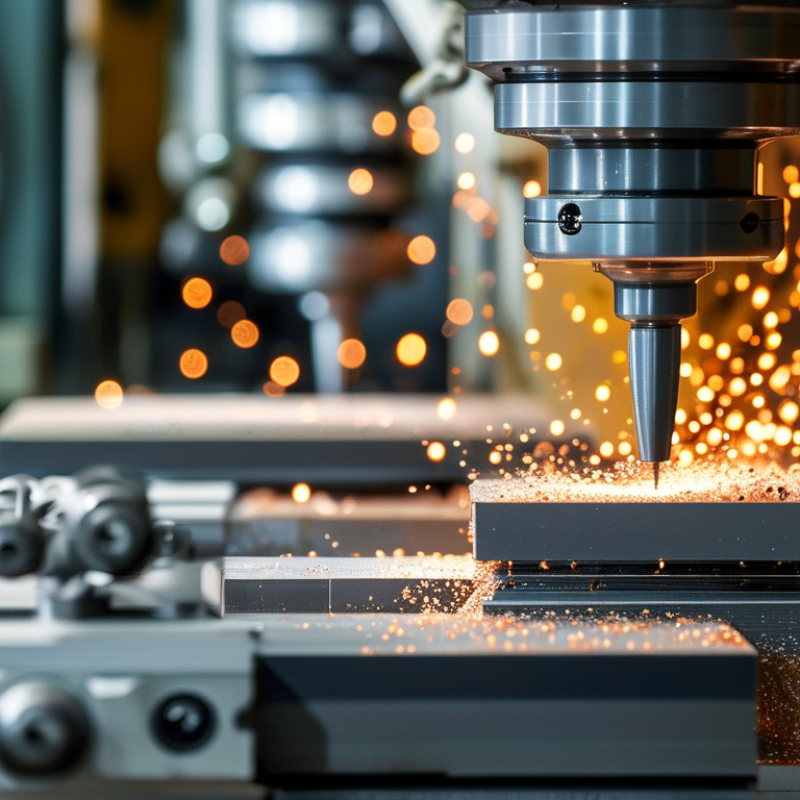
Understanding your machining needs is crucial before purchasing a machining center. Consider the materials you will work with. Metals, plastics, and composites each require different machining capabilities. Evaluate the complexity of your designs. Intricate parts may need advanced features like multi-axis machining. This understanding helps in selecting a machine that aligns with your technical requirements.
Next, think about the production volume. High-volume production may require automated solutions, while low-volume tasks can benefit from more versatile machines. Analyze the precision levels necessary for your products. Tolerances can significantly impact the quality and performance of your end products. Slightly overlooking these details can lead to costly errors later.
Additionally, do consider your workspace limitations. The size and configuration of the machining center must fit your shop layout. Often, buyers underestimate space requirements, resulting in inefficient workflows. Reflecting on these aspects can lead to a more informed decision. Investing time in defining your specific needs is essential for effective purchasing.
Evaluating Machining Center Types and Technologies
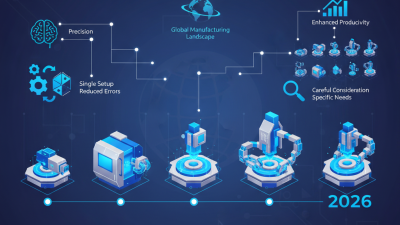
When evaluating machining center types and technologies, it is essential to consider various factors. The global CNC machining market is projected to reach $100 billion by 2026, highlighting the rapid growth in this sector. Buyers need to understand the distinctions between vertical and horizontal machining centers, as each serves different purposes. Vertical centers are suitable for smaller parts, while horizontal centers excel in large-scale productions.
Additionally, the technology varies significantly. Some machining centers offer five-axis capabilities, enabling complex part production. A report from Technavio suggests that the demand for five-axis machines is expected to grow by 15% annually. Buyers should reflect on whether this technology fits their production needs. While many facilities prefer precision and speed, the initial costs can be high and may not guarantee immediate returns.
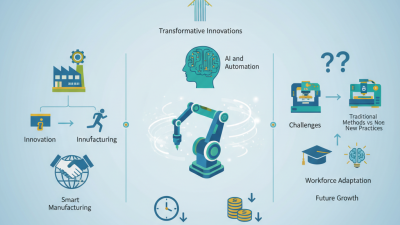
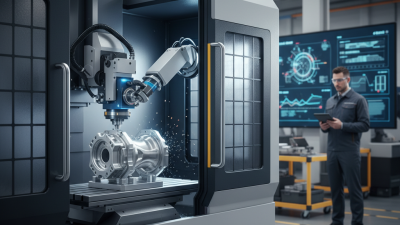
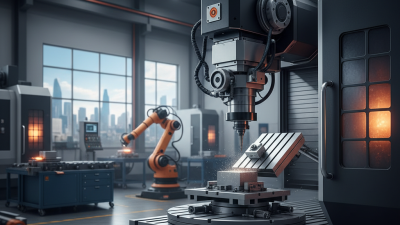
Furthermore, automation technology is becoming more prominent. Robotic arms and advanced control systems enhance efficiency and reduce human error. However, integrating such systems requires a skilled workforce and can lead to challenges in maintenance. Companies must weigh the benefits of increased automation against the necessity of training staff for these advanced technologies. This decision can shape the future competitiveness of a manufacturing business.
Key Features and Specifications to Consider
When purchasing a machining center, certain key features and specifications can significantly influence your decision.
Focus on the machine's rigidity. A rigid structure promotes better accuracy during machining processes.
Look for a design with reinforced components. This can enhance performance during high-speed operations.
Another critical aspect is the spindle speed. Identify the required RPM for your specific applications.
A higher spindle speed often leads to improved surface finish and reduced cycle times. Additionally, consider the travel distances of the axes.
Based on your typical workpieces, ensure the machining center accommodates the largest dimensions you will frequently handle.
Tool capacity is another vital element. A larger tool changer can lead to greater efficiency, minimizing downtime.
Evaluate automation options as well. Integrating advanced features like pallet changers or automatic tool measurement systems can significantly improve productivity.
It’s also worth noting that affordability should not compromise quality. Balancing cost with functionality relies on thorough research and understanding your operational needs.
Adapting to these factors can enhance the overall machining experience.
Budgeting and Cost Analysis for Your Purchase
When considering the purchase of a machining center, budgeting is critical. According to recent industry reports, nearly 40% of manufacturers overspend due to inadequate cost analysis. A clear understanding of total costs can prevent financial strain. Look beyond the initial purchase price; consider installation, maintenance, and operational expenses. For example, some centers may require higher energy consumption, which can significantly add to long-term costs.
Tip: Always project future expenses. This can include software updates, tooling, and labor costs associated with new machinery. A comprehensive cost analysis will reveal the full financial impact. Data shows that companies often underestimate these costs by as much as 25%.
Don't neglect financing options. Many buyers overlook leasing as a viable alternative. Reports indicate that leasing can cut initial costs by up to 15%. This approach allows for better cash flow management. It’s a strategy worth evaluating, especially for smaller operations.
Think critically about your allocation of funds. Customizing machinery may seem appealing but can inflate costs quickly. A careful assessment of necessary features helps strike a balance between functionality and budget. This decision requires reflection, as the highest price does not always equate to the best fit for your needs.
Selecting a Reliable Supplier and Support Services
When selecting a reliable supplier for your machining center, consider their experience in the industry. A supplier with years of expertise can offer valuable insights. They understand the nuances of the technology and market demands. Ask about their track record with other clients. This information can reveal how they manage quality and support.
Support services are another critical factor. Ensure that your chosen supplier offers comprehensive after-sales support. This includes training, maintenance, and readily available spare parts. A responsive service team can minimize downtime, which is crucial for maintaining productivity. You should also evaluate their communication style. Clear and prompt communication can make a significant difference in your working relationship.
Assess your supplier's reputation within the industry. Look for reviews or testimonials from other buyers. Engaging with current users of their products can provide a clearer picture. However, be aware that not all feedback is positive. Some suppliers may have hidden flaws that aren't immediately apparent. Always ask follow-up questions to get a complete understanding of their capabilities and limitations.