Discover the Best Vertical Turning Center for Your Business Needs?
In today’s manufacturing landscape, choosing the right equipment is crucial for success. A Vertical Turning Center (VTC) stands out as a versatile solution for various machining needs. This equipment allows for efficient turning of complex parts, significantly enhancing productivity. It excels in creating precise components with smooth finishes.
When considering a Vertical Turning Center, several factors come into play. It’s essential to assess the specific requirements of your business. Not every VTC is the same. Some may lack the advanced features you need, while others offer more capabilities than required. It is vital to strike a balance that suits your operational goals.
Many industries rely on VTCs for their reliability and efficiency. Selecting the best one requires careful thought and research. Ask yourself: What are your machining demands? What parts will be produced? Reflecting on these questions can guide you toward the ideal Vertical Turning Center that aligns with your business needs.
Understanding Vertical Turning Centers: Definition and Functions
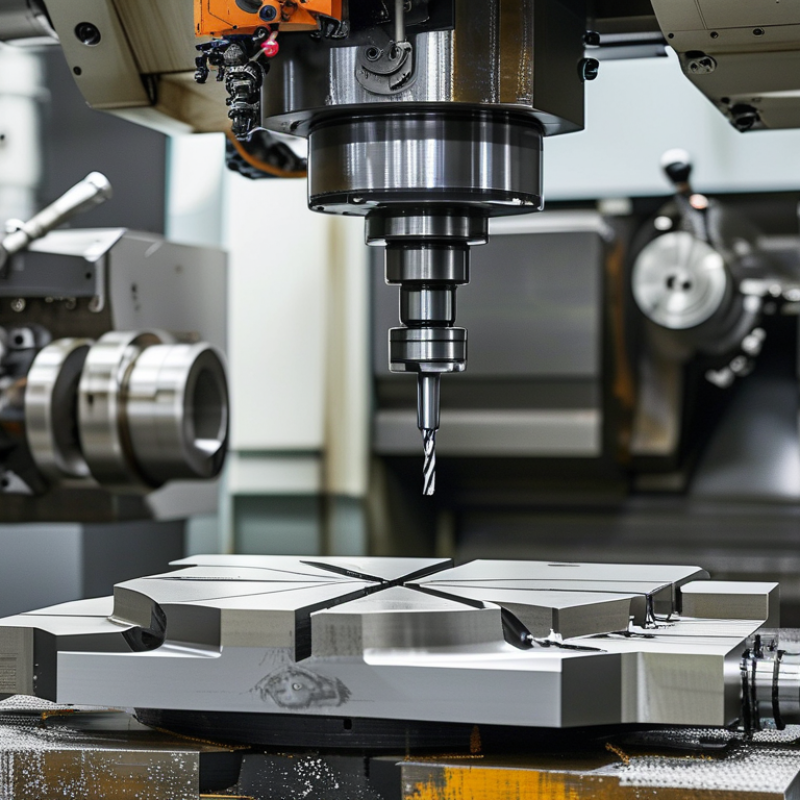
Vertical turning centers are essential for modern manufacturing. They allow for the efficient machining of large, heavy workpieces. These machines feature a vertically oriented spindle, which provides several advantages over traditional horizontal lathes. The gravity-assisted setup decreases the risk of vibrations, leading to improved precision.
One important tip is to assess your material requirements before selecting a vertical turning center. Different machines excel in handling specific materials. For example, a machine designed for hard metals may not perform well with softer alloys. Additionally, consider the size and weight of the parts you frequently work with. Not all centers can accommodate heavy components effectively, impacting production efficiency.
Another aspect to consider is the complexity of your machining tasks. Some vertical turning centers can handle multiple operations, reducing the need for additional setups. Evaluate your workflow to determine whether a multi-function machine would benefit your processes. Regular maintenance is also crucial; neglecting it can lead to unexpected breakdowns and costly repairs. Keeping a detailed maintenance log is beneficial. This can provide insights into patterns that may require attention.
Discover the Best Vertical Turning Center for Your Business Needs
| Model |
Max Turning Diameter (mm) |
Max Turning Length (mm) |
Spindle Power (kW) |
Weight (kg) |
Features |
| VT-300 |
300 |
600 |
15 |
2000 |
CNC Control, High Precision |
| VT-500 |
500 |
800 |
20 |
2500 |
Automatic Tool Change, Enhanced Cooling |
| VT-800 |
800 |
1000 |
25 |
3000 |
High-Speed Machining, Intelligent Monitoring |
Key Features to Consider When Choosing a Vertical Turning Center
When selecting a vertical turning center, several key features deserve your attention. The machine's build quality is crucial. A solid foundation ensures stability during operations, leading to precise machining. Look for robust materials that can withstand heavy workloads and avoid vibrations. Additionally, check the overall design for easy access to maintenance areas. This can save you downtime and improve productivity.
Another factor to consider is the spindle speed and torque. The right combination enhances efficiency in various materials. High speeds are essential for precision work on softer metals. Conversely, a higher torque is necessary for tougher materials. Evaluate the machine's specifications against your typical production needs. Pay attention to the machine's tooling options as well. A versatile system reduces setup times and supports different tasks.
Control systems should not be overlooked. User-friendly interfaces can significantly impact the learning curve for your operators. A complex system may frustrate new users, leading to errors and wasted resources. Investing time in training is equally vital. Continuous learning for operators can reveal hidden capabilities of the machine. Reflect on your business’s growth as you choose; make sure the vertical turning center aligns with your future goals.
Vertical Turning Center Comparison
Leading Manufacturers in the Vertical Turning Center Market: A Comparative Analysis
When exploring vertical turning centers, understanding manufacturer offerings is vital. Various companies present unique strengths. Their technologies differ, which affects performance. A thorough analysis reveals how these machines cater to diverse industrial needs. Some focus on high precision, while others prioritize speed or flexibility.
Reliability is a key factor in the decision-making process. Machines that fail can halt production. This can lead to significant downtime. A review of customer feedback often highlights common issues. Many users report challenges with user interfaces and maintenance requirements. It's critical to weigh these factors against performance metrics.
Not all vertical turning centers excel in every area. A machine may provide great precision but lack in speed. Conversely, a high-speed model might compromise accuracy. Assessing these trade-offs is crucial. Businesses must align their decision with specific operational goals. Regular evaluations of both machine performance and manufacturer support can enhance this process.
Performance Metrics: How to Evaluate Turned Component Quality and Precision
When evaluating vertical turning centers, precision and quality are paramount. Performance metrics provide a clear method to assess these critical factors. Focus on measurable outcomes like surface finish, dimensional accuracy, and repeatability. These aspects directly impact the end product and overall efficiency.
Inspecting turned components involves rigorous testing. Techniques such as coordinate-measuring machines (CMM) ensure that parts meet specified tolerances. Visual inspections add another layer, highlighting any surface defects or irregularities that might affect functionality. It’s essential to cultivate a comprehensive quality inspection process. Relying solely on machines can be misleading. Human oversight remains vital for ensuring the highest standards are met.
Consider operator skill as a variable in this equation. An experienced operator can identify subtle issues that machines may miss. Investing in training can enhance team performance. This focus on human talent complements technology, leading to improved turned component quality. A culture of continuous improvement drives success in component precision. Each step provides an opportunity for reflection and enhancement, ensuring your operations remain competitive.
Cost-Benefit Analysis of Investing in a Vertical Turning Center for Businesses
Investing in a vertical turning center can significantly enhance productivity in manufacturing businesses. According to a report by the Association for Manufacturing Technology, implementing advanced CNC machines can reduce cycle times by up to 30%. This improvement allows for more efficient use of labor and materials, ultimately driving down costs.
However, businesses must consider the initial investment. A vertical turning center's purchase can range from $50,000 to $250,000, depending on specifications. Maintaining such equipment entails ongoing costs too. Skilled personnel are required for operation and maintenance, which adds to overhead. Many companies overlook the total cost of ownership, focusing solely on the initial expense.
Despite these challenges, the potential return on investment is notable. A well-implemented vertical turning center can increase output and quality, attracting higher-value contracts. Optimal use of this technology depends on understanding your specific needs and capabilities. Aligning machine capabilities with strategic business goals is crucial. The decision is complex and requires careful consideration of both benefits and shortcomings.