Best Vertical Milling Center for Precision Manufacturing Needs?
In the realm of precision manufacturing, selecting the right tools is crucial. A Vertical Milling Center plays a significant role in achieving high accuracy and efficiency. These machines excel at complex tasks, making them a favorite among engineers and manufacturers.
However, not all Vertical Milling Centers are created equal. Each model has unique features that cater to specific needs. It's important to evaluate your requirements before making a decision. Factors such as the size of parts, materials, and desired tolerances should guide your choice.
Investing in a trusted Vertical Milling Center can improve production quality. But, it's also essential to consider maintenance and support options. A poor choice could lead to operational challenges and increased costs. Reflecting on your current and future needs can help you select the best machine for your business.
What is a Vertical Milling Center and Its Importance in Manufacturing?
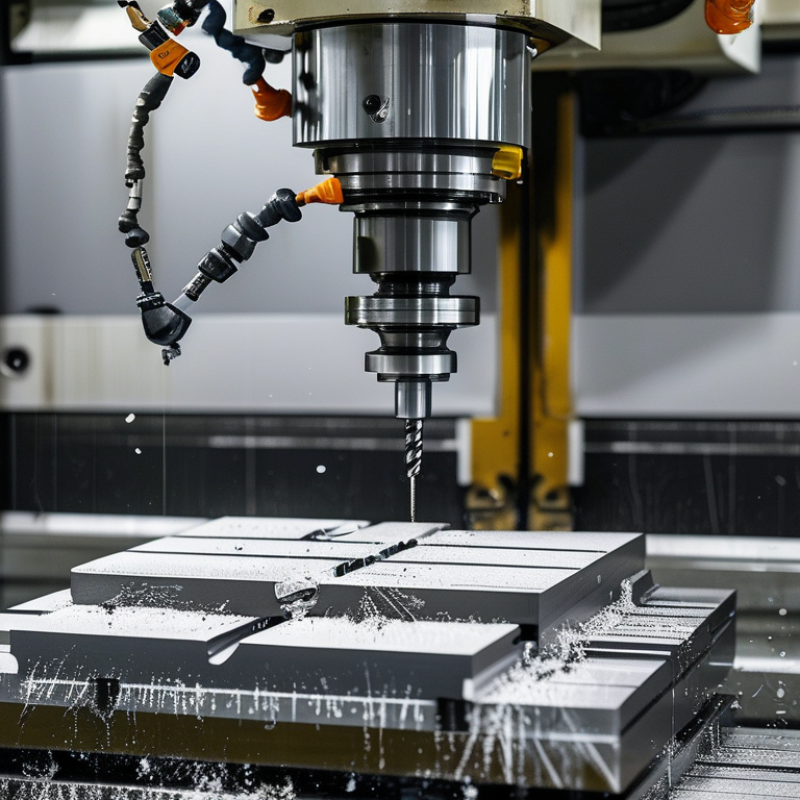
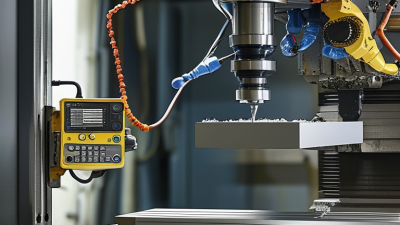
A vertical milling center is a vital tool in precision manufacturing. It provides unmatched capabilities for cutting, shaping, and machining materials like metal and plastic.
These centers use a vertical spindle to hold the cutting tool, allowing for intricate designs that other machines may struggle to achieve. The flexibility and accuracy offered by a vertical milling center ensure that manufacturers can meet rigorous specifications consistently.
In manufacturing, precision is paramount. Small errors can lead to significant production issues and increased costs. Vertical milling centers can make fine adjustments with great ease. This precision supports various industries, from aerospace to medical devices. However, not all vertical milling centers perform equally. Factors like machine build quality and software can affect outcomes. Investing in the right machinery while considering these variables is crucial.
Despite their advantages, vertical milling centers come with challenges. Operators need training to use these machines effectively. Poor operating practices can result in inaccuracies or damaged materials. Regular maintenance is necessary to keep these centers functioning at their best. Without it, even high-end machines can fall short in performance. Thus, careful consideration and ongoing training are essential for maximizing the benefits of vertical milling centers in manufacturing.
Key Features to Consider When Choosing a Vertical Milling Center
Choosing a vertical milling center is crucial for precision manufacturing. Key features are pivotal to achieving optimal performance. One essential attribute is rigidity. A rigid structure minimizes vibrations, enhancing machining accuracy. Studies show that machines with superior rigidity can reduce error rates by nearly 30%.
Another significant feature is spindle speed. Higher spindle speeds can improve surface finish and machining time. Reports highlight that speeds exceeding 10,000 RPM meet stringent precision requirements for complex parts. Effective coolant systems are also vital. They help manage heat during machining, preventing material distortion. Evidence suggests that proper cooling methods can extend tool life by up to 50%.
Automation capabilities are increasingly relevant. Many manufacturers seek systems with advanced tool change features. Automation can boost productivity and reduce labor costs. Yet, implementing such systems can be a challenge. Companies must ensure that their workforce is trained to operate and maintain these high-tech machines efficiently. Additionally, evaluating machine software compatibility is critical. Software glitches can lead to production delays and errors. Balancing these considerations is key to selecting the best milling center for precise manufacturing needs.
Best Vertical Milling Center for Precision Manufacturing Needs
| Feature |
Description |
| Spindle Speed |
The maximum speed at which the spindle can rotate, measured in RPM. |
| Travel Distance |
The maximum distance that the table, head, or spindle can move in horizontal and vertical directions. |
| Tool Capacity |
The number of tools that can be stored and used in the machine's tool changer. |
| Control System |
Type of CNC control software used for programming and operating the machine. |
| Machine Weight |
Total weight of the machine, which can affect stability during operation. |
| Precision Tolerance |
The allowable deviation from a specified dimension, typically measured in microns. |
| Power Consumption |
The amount of electrical power the machine requires for operation, usually measured in kW. |
| Cooling System |
Type of cooling mechanism used to maintain optimal operating temperatures. |
Top Brands and Models of Vertical Milling Centers for Precision Needs
When selecting a vertical milling center, precision is paramount. The industry standard increasingly values accuracy, with reports indicating that precision machining will grow by 6.7% annually through 2026. Key players in the market focus on technology that enhances repeatability and reduces errors. Machines equipped with advanced servo motors and enhanced cooling systems can positively impact production quality.
A notable trend involves the integration of smart technology. Real-time monitoring systems not only boost efficiency but also improve maintenance schedules. These advancements allow manufacturers to minimize downtime and optimize output. Recent surveys show that 40% of manufacturers believe smart technology significantly enhances their competitive edge.
While various models are available, manufacturers must assess their specific needs. Options range from entry-level models to high-end machines designed for complex tasks. Each presents a unique set of challenges. For example, entry-level machines may lack advanced features, while high-end models can be cost-prohibitive. Ultimately, finding the right balance between cost and functionality remains a frequent point of contention in decision-making processes.
Cost vs. Performance: Evaluating Your Investment in Milling Centers
When evaluating a vertical milling center for precision manufacturing, cost and performance are crucial factors. Investing in a high-quality machine often requires careful consideration. A high initial cost can lead to impressive long-term savings. Lower initial costs might seem appealing, but could result in frequent maintenance and lower precision.
Performance metrics should include accuracy, speed, and versatility. A more expensive milling center may offer advanced features, enhancing production efficiency. Moreover, the right machine can increase output and reduce wasted materials. However, consider your specific needs before making a commitment. Not all industries require the latest technology.
While powerful machines promise quality, they may not always align with your operational needs. Regular performance evaluations can reveal issues early. Moreover, investing in training for operators can maximize a machine's capabilities. Remember, the better the investment aligns with your precision manufacturing needs, the more effective it will be in the long run.
Maintenance Tips for Optimal Performance of Vertical Milling Machines
Maintaining vertical milling machines is crucial for achieving precise results in manufacturing. Regular checks on the machine's components can prevent unpredictable errors. A good starting point is to examine the spindle and bearings frequently. If you notice unusual sounds or vibrations, it may indicate wear. Addressing these issues quickly prevents larger problems.
Oil and lubrication also play a significant role in machine performance. Ensure that the lubrication systems are functioning properly. Check oil levels frequently and replace old oil as needed. Neglecting this aspect can lead to increased friction, causing potential downtime. Clean the machine regularly to remove chips and debris. A clean workspace fosters efficiency and precision.
Finally, always refer to the manufacturer’s guidelines for maintenance schedules. These guides provide critical information about the best practices for upkeep. Remember, every machine has its quirks, and understanding them can lead to improved performance. Regular inspections offer insight into the machine's health and can highlight areas requiring attention. Prioritizing these maintenance practices leads to better operational outcomes and extends the life of the equipment.
Best Vertical Milling Center for Precision Manufacturing Needs