What Is the Best Vertical Machine to Buy in 2026?
Choosing the best Vertical Machine to buy in 2026 requires more than comparing prices and spindle speeds. A machine may look impressive on a showroom floor, yet struggle with vibration during a deep aluminum pocket. The right choice depends on your materials, part dimensions, production volume, tolerances, and available floor space. It also depends on the people operating it.
This guide examines current vertical machining centers through practical workshop needs. We will compare rigidity, axis travel, spindle performance, control systems, tool capacity, automation options, energy use, and after-sales support. A reliable machine should produce consistent parts at 7 a.m. and after a long production shift. Service response matters, too. A low purchase price can become expensive when technicians wait weeks for critical components.
Real experience often reveals details that brochures omit. Chip evacuation, coolant access, door clearance, and control-screen usability can affect every working day. Some buyers focus heavily on rapid traverse speed. That is not always wise. Cutting stability may matter more for demanding materials and tight tolerances.
No ranking is perfect. My preferred model may not suit a small workshop with limited power or inexperienced operators. Therefore, this review will separate measurable specifications from practical judgment. It will also identify compromises, because every Vertical Machine involves them. By the end, readers should have a clearer method for selecting equipment that matches their work, budget, staff, and long-term production goals.
What Is a Vertical Machine and How Does It Work?
What Is the Best Vertical Machine to Buy in 2026?
What Is a Vertical Machine and How Does It Work?
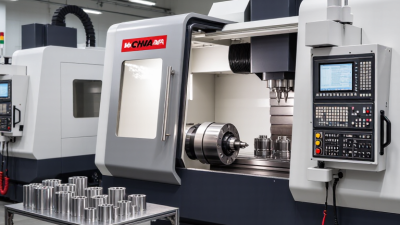
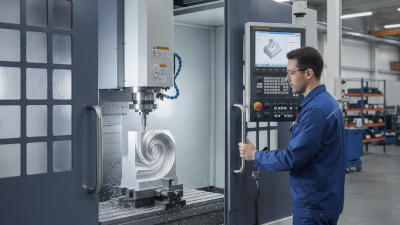
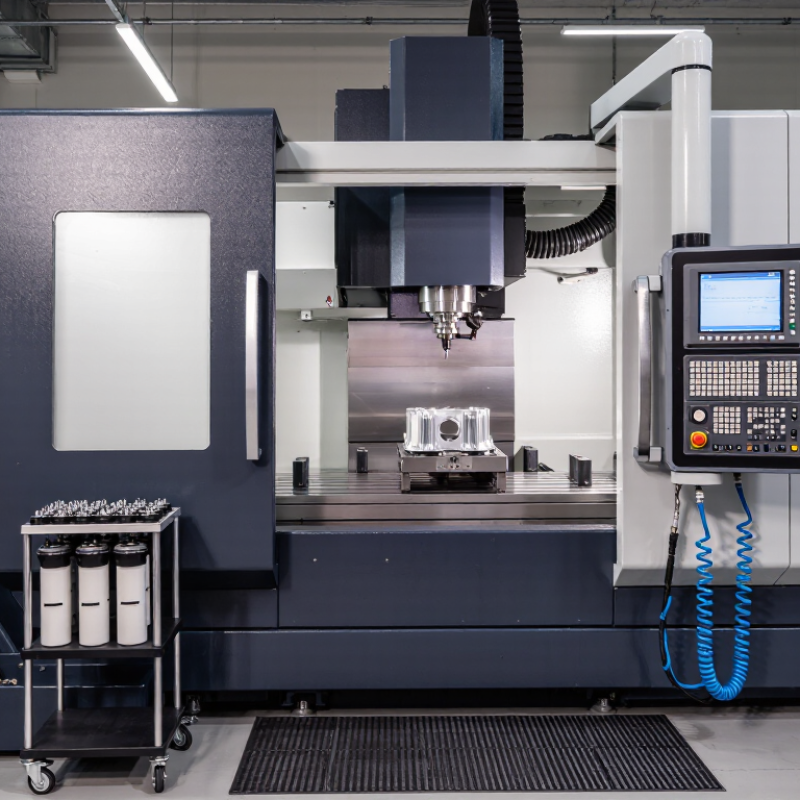
A vertical machine usually means a vertical machining center. Its spindle moves downward toward the workpiece. The cutting tool removes material from metal, plastic, or composites. A CNC controller coordinates X, Y, and Z movements. The table holds the part firmly. Tool changers, coolant, and probing systems improve repeatability.
The process begins with a digital drawing and toolpath. The operator loads the program, secures the stock, and checks the work offset. The spindle then rotates at a selected speed. Feed rate controls how quickly the cutter travels. Small errors matter. A loose clamp can ruin an accurate part.
Fortune Business Insights valued the global CNC machine market at USD 83.99 billion in 2023. Its report also expects strong growth through 2032. The International Federation of Robotics recorded 541,302 industrial robot installations worldwide in 2023. This supports greater automation around machining cells, but automation does not replace sound setup practice. A vertical machine is often practical for plates, housings, molds, and repeat production. It offers clear visibility and a smaller footprint than many horizontal designs. However, deep cavities may create tool-access problems. A clean specification sheet can still mislead. Buyers should compare travel range, spindle torque, positioning accuracy, control features, service support, and total energy use. The best choice depends on the part, not only the machine’s advertised speed.
Which Types of Vertical Machines Are Available in 2026?
What Is the Best Vertical Machine to Buy in 2026?
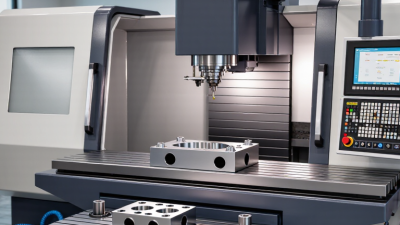
For metalworking, “vertical machine” covers several useful categories. A three-axis vertical machining center suits brackets, plates, housings, and general production. It offers a familiar setup and practical access to the worktable. A four-axis version adds rotary positioning for fewer manual resets. That can improve consistency on repeated parts.
A five-axis vertical machining center handles complex surfaces, angled holes, and compact aerospace-style components. It reduces repositioning, but programming and inspection become more demanding. A vertical turning lathe is better for large, round workpieces. Think flanges, rings, and heavy cylinders. A CNC drill-and-tap center fits smaller parts and high-volume hole-making. For repair work, prototypes, or training, a vertical knee mill remains useful. It is slower, but its controls are easy to understand.
Tips: Measure your largest workpiece first. Check table travel, spindle speed, tool capacity, and floor space. Ask for cutting tests using your actual material. A machine that looks powerful on paper may struggle with deep pockets or poor chip evacuation. I would also review service response, operator training, and electrical requirements. These details are easy to ignore. That is often the expensive mistake. My own selection method would include a trial run, although trial results can change with tooling, coolant, and operator skill. Leave room for that uncertainty when comparing prices.
What Factors Matter When Choosing a Vertical Machine?
What Is the Best Vertical Machine to Buy in 2026?
Choosing a vertical machine should begin with your actual work, not a glossy specification sheet. Measure your largest planned part, including clamps, fixtures, and tool clearance. A narrow work envelope becomes expensive when production expands.
Spindle speed matters, but torque matters more for hard materials and deep cuts. Match spindle power to your common tools and cutting loads. Check positioning accuracy, repeatability, machine rigidity, and thermal control. These details affect hole locations, surface finish, and rejected parts. A reliable control system should be easy for operators to learn and adjust. Complex software can impress during a demonstration, then slow production on a busy afternoon.
I also examine chip removal, coolant access, tool capacity, and maintenance points. Open doors, clear sightlines, and safe access reduce daily frustration. Ask how quickly technicians respond, and whether common parts are locally available. That support can matter more than a small price difference. Calculate electricity, tooling, training, service, and downtime over several years. The cheapest purchase may become the costliest machine.
Do not ignore the operator’s opinion. They notice vibration, awkward loading, and minor delays before spreadsheets do. Visit a working installation if possible. Watch a complete cycle, not just a polished test cut. I once trusted impressive accuracy figures too quickly; real production exposed setup limitations. Leave room for uncertainty. Your material mix may change. So should your buying decision.
What Is the Best Vertical Machine to Buy in 2026?
What Factors Matter When Choosing a Vertical Machine?
The best vertical machining center depends on the workpiece, materials, tolerances, production volume, and available budget. This planning benchmark ranks the factors most commonly used in machine selection. Capability, rigidity, work envelope, automation readiness, reliability, and total operating cost should be evaluated together rather than by spindle speed alone.