How to Operate a Vertical CNC Machine Effectively for Beginners?
The vertical CNC machine has become a vital tool in modern manufacturing. According to a report by MarketsandMarkets, the CNC machine market is expected to reach $100 billion by 2025. This increase reflects a growing demand for precision and efficiency in machining operations. Beginners face unique challenges when operating these complex machines. Industry expert John Smith states, “Understanding the fundamentals of vertical CNC machines is crucial for maximizing productivity.”
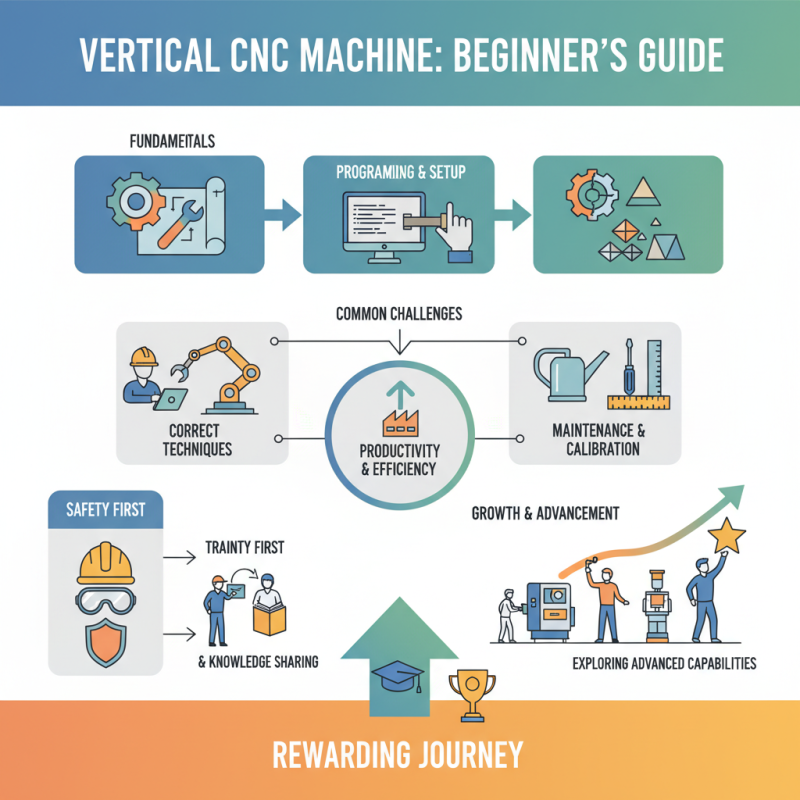
New operators often struggle with programming and setup. Mistakes can occur, leading to waste of both materials and time. It's essential to learn the correct techniques. Many newbies overlook the significance of regular maintenance and calibration, which can drastically affect performance. Operating a vertical CNC machine effectively requires attention to detail and continuous learning.
Moreover, the importance of safety cannot be understated. New users often underestimate the risks involved, leading to potential accidents. Effective training and knowledge sharing are critical. As users gain experience, their confidence grows, allowing them to explore advanced capabilities of the vertical CNC machine. This journey, while challenging, is rewarding for those dedicated to mastering this essential technology.
Understanding the Basics of Vertical CNC Machines
Vertical CNC machines are popular tools in manufacturing. Understanding their basics is essential for beginners. These machines use computer programming to control movements. They can cut, shape, and carve various materials like metal and plastic. The vertical design allows for easy observation during operations, which is beneficial for newcomers.
One crucial aspect is familiarity with the control panel. It can seem complicated at first. Take time to learn each button's function. Experimenting in a safe environment is key. Start with simple projects. As you grow comfortable, you can attempt more complex tasks.
Tip: Always ensure the workpiece is secured before starting. Loose items can lead to hazardous accidents. Also, don't hesitate to ask for help. Mistakes are part of the learning process. Each error provides a lesson. Reflecting on what went wrong can lead to improvement.
How to Operate a Vertical CNC Machine Effectively for Beginners
| Aspect |
Details |
| Machine Setup |
Ensure proper leveling and alignment of the machine. Check for necessary attachments and tools. |
| Software Familiarization |
Learn to use the CNC control software, including G-code programming basics. |
| Tool Selection |
Choose appropriate cutting tools based on the material and desired finish. |
| Workpiece Setup |
Secure the workpiece properly using vises or clamps to avoid movement during machining. |
| Safety Measures |
Always wear safety glasses and follow operational safety protocols to prevent accidents. |
| Calibration |
Calibrate the machine axes to ensure precision in cuts and movements. |
| Maintenance |
Regularly clean the machine, check for wear on tools, and perform scheduled maintenance. |
| Troubleshooting |
Learn common issues that may arise and how to resolve them effectively. |
Essential Safety Precautions for CNC Operation
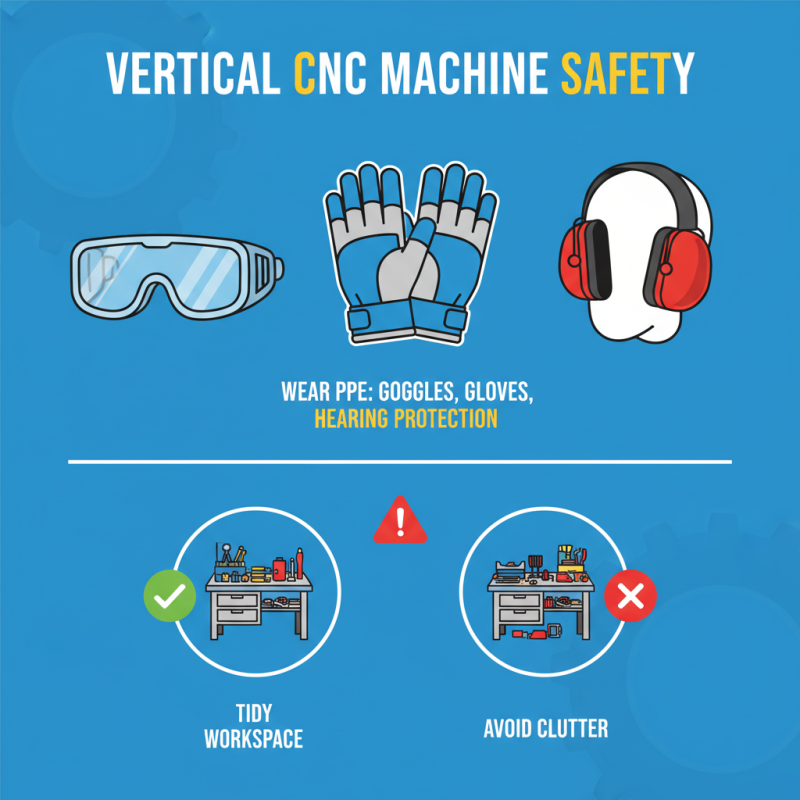
Operating a vertical CNC machine requires a strong focus on safety. Always wear the appropriate personal protective equipment (PPE). This includes safety goggles, gloves, and hearing protection. These items shield you from flying debris and loud noise. Ensure that your workspace is tidy. Clutter increases the risk of accidents.
Familiarize yourself with the machine's emergency stop buttons. They should be easily accessible. Know how to shut down the machine quickly if something goes wrong. Additionally, keep hands and other body parts away from moving parts. It's easy to lose focus, especially when concentrating on detailed tasks. Avoid distractions when operating the machine.
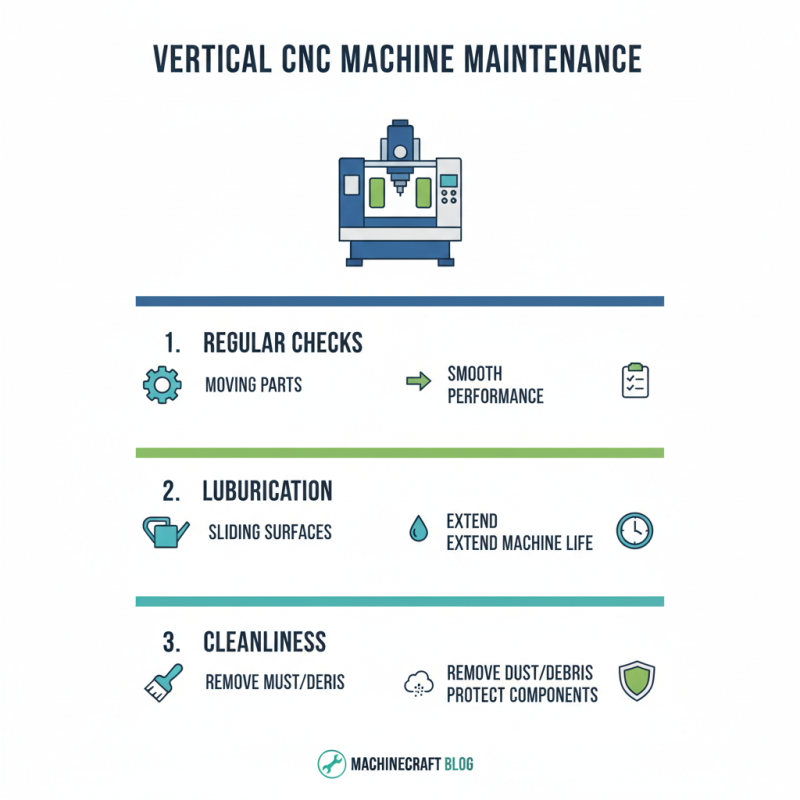
Regular maintenance is crucial. Inspect tools and equipment before each use. Check for wear and tear that could lead to mechanical failure. Keeping a close eye on these details can prevent accidents. It's vital to communicate with others in the workshop. Let them know when you're beginning your work. Clear communication can reduce dangerous situations that arise from unawareness. Remember, even experienced operators make mistakes. Reflect on your practices, and always look for ways to improve safety.
Setting Up Your Vertical CNC Machine: A Step-by-Step Guide
Setting up a vertical CNC machine can seem daunting for beginners. Each detail matters greatly. Start by ensuring your machine is placed on a stable, level surface. This is crucial for optimal performance. Use a spirit level to check if the machine base is even. If it's off, adjust the leveling legs accordingly.
Next, connect the power supply. Don't rush this process. Ensure all connections are tight and secure. A loose wire can cause problems. Once powered, you might face calibration issues. Take your time calibrating the axes. Use test runs to identify any discrepancies. This step is often overlooked but is vital.
The work area should be clear and organized. Store tools and accessories properly. Keep safety equipment nearby. Despite careful planning, things can go wrong. You may encounter unexpected errors during your initial setups. Reflect on these moments for future improvements. Learning from mishaps will enhance your skills. Embrace the challenges, as they lead to better understanding.
Operating Time of Vertical CNC Machines for Beginners
Basic Programming Techniques for CNC Beginners
When starting with vertical CNC machines, basic programming techniques are crucial. Beginner operators often face a steep learning curve. Reports indicate that nearly 60% of new operators struggle with programming, leading to wasted materials and time. Learning the fundamentals can make a difference.
Familiarize yourself with G-code, which is the standard language for CNC. G-code defines how the machine moves. Understanding commands can greatly enhance efficiency. For instance, commands like G0 for rapid positioning and G1 for linear interpolation are essential. Practice writing simple programs to build confidence. Make mistakes; they are learning opportunities.
**Tip:** Always double-check your code before running it. Small errors can lead to major issues. Testing your programs in a simulation environment can prevent costly mistakes.
Another key aspect is understanding machine setup and part clamping. Incorrect setups result in parts being cut inaccurately. Research shows that improper clamping leads to a 30% increase in scrap rates. Always secure your workpiece properly and verify the setup before executing a program.
**Tip:** Use visual aids to guide setups. Diagrams can help prevent errors in alignment and orientation.
Developing programming skills takes time and practice. Embrace the learning process, and be open to adjusting your methods as you gain experience.