CNC Turning Center Tips for Optimal Machining Results?
In the world of precision machining, the CNC Turning Center stands out as a key player. According to a recent report by Market Research Future, the CNC machine tools market is expected to grow rapidly, reaching an estimated value of $100 billion by 2026. This growth signals the increasing reliance on CNC technology in various industries. Experts emphasize that optimizing machining processes can significantly enhance productivity and reduce costs.
John Smith, a renowned CNC machining expert, once said, "The efficiency of a CNC Turning Center can define the success of a manufacturing operation." This statement highlights the critical importance of understanding the nuances of CNC turning. However, many operators overlook essential tips that can lead to suboptimal results. For instance, improper tooling and insufficient setup time often hinder performance.
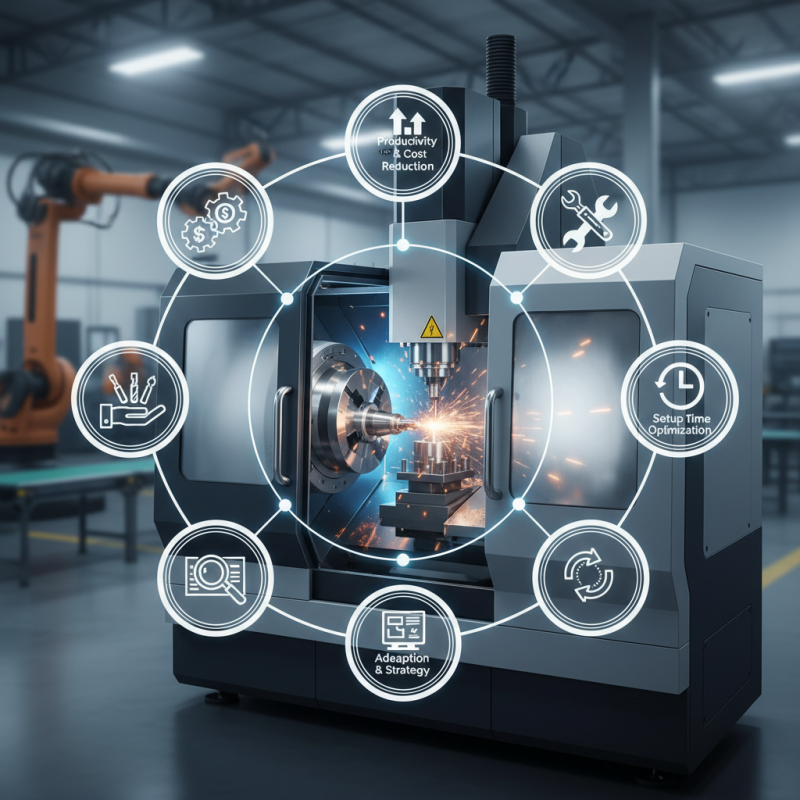
Achieving optimal machining results requires attention to detail. Operators must assess their current strategies and be willing to adapt. Implementing even small adjustments can yield substantial benefits. Addressing these gaps is crucial for long-term success in CNC machining, particularly with Turning Centers at the forefront.
Understanding the Functionality of CNC Turning Centers
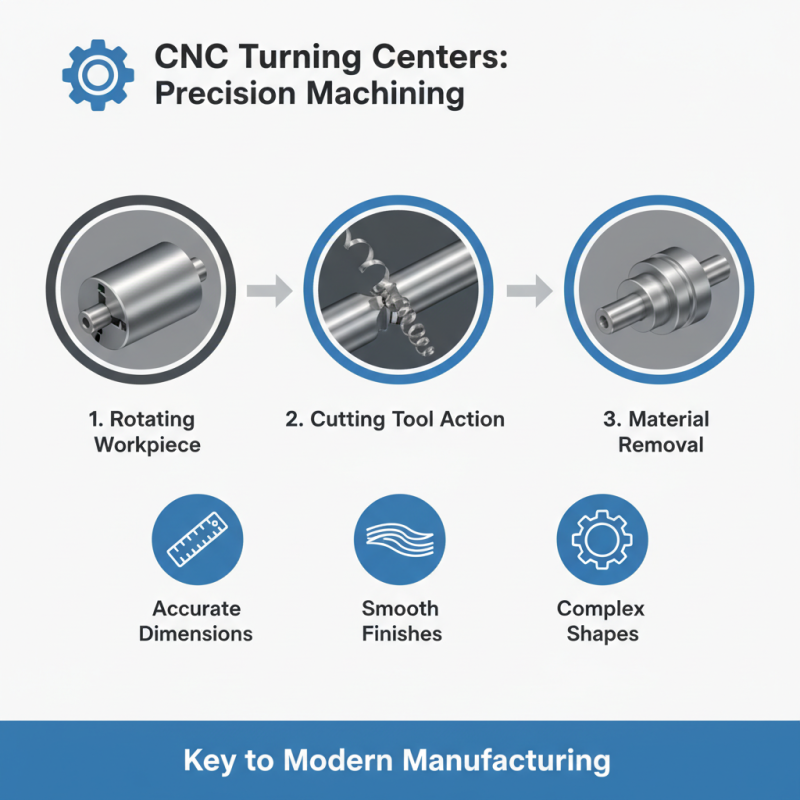
CNC turning centers are vital in modern machining. They expertly shape materials into precise, cylindrical parts. Understanding their functionality is essential for achieving optimal results. These machines use a rotating workpiece, while a cutting tool removes material. This combination creates accurate dimensions, smooth finishes, and complex shapes.
However, achieving the best outcomes requires attention to detail. Operators must calibrate the machine carefully. A slight misalignment can lead to errors. Tool selection plays a critical role too. Different materials demand specific tools and speeds. Mistakes in these areas can waste materials and time. The learning curve can be steep, and operator experience varies widely.
Continuous improvement is crucial in the machining process. Monitoring performance can reveal areas for enhancement. It’s not uncommon to encounter challenges in machining efficiency. Analyzing scrap rates may expose underlying issues. Minor adjustments can lead to significant improvements. Embracing these lessons fosters a culture of excellence.
Essential Tools and Accessories for CNC Machining
In CNC machining, selecting the right tools and accessories is crucial for achieving optimal results. A study from the Manufacturing Industry Journal reports that nearly 40% of machining errors stem from improper tool choice. This underscores the importance of using compatible cutting tools that match your materials. For instance, carbide and high-speed steel tools are favored for their durability and effectiveness on various materials.
Equipping your CNC turning center with essential accessories can enhance precision. Tool holders play a critical role in maintaining cutting accuracy. Rigid and versatile tool holders reduce vibration, thereby improving surface finish. According to industry standards, using the correct workholding devices can increase efficiency by up to 25%. This data highlights the need for reflection on current setups and possible upgrades.
Additionally, coolant systems are vital. Proper cooling not only extends tool life but also improves chip removal. Inadequate cooling leads to overheating and wear, often resulting in errors or damaged components. The right coolant enhances performance and can be a game changer in machining processes. ध्यान दें कि选择正确的工具和附件也是伴随反思而来的挑战,许多制造商仍未能实现最佳配置。
CNC Turning Center Performance Analysis
Key Parameters to Optimize Machining Performance
When optimizing machining performance in CNC turning, several parameters play a vital role. Among these, spindle speed, feed rate, and cutting depth are essential. Research indicates that incorrect settings can lead to reduced efficiency and poor surface finishes. For example, an optimal spindle speed can enhance chip removal rates by up to 30%, improving overall productivity.
Tips: Always monitor the cutting tool wear. This can help prevent unexpected failures and lead to more consistent results. Pay attention to the coolant flow as well. Insufficient cooling can cause overheating, risking tool damage and affecting precision.
Another critical parameter is the material being machined. Different materials require distinct approaches. For instance, hard materials may necessitate slower feed rates to maintain tool integrity. A study showed that adjusting feed rates not only affects tool wear but also significantly impacts production time. Keep a close watch on how different materials respond to various cutting conditions.
Tips: Regularly review machining parameters. What worked for one job may not suit another. It’s key to adapt and learn from previous projects. In doing so, you can find the perfect balance for each specific task and avoid stagnation in your machining process.
Best Practices for Maintenance of CNC Turning Centers
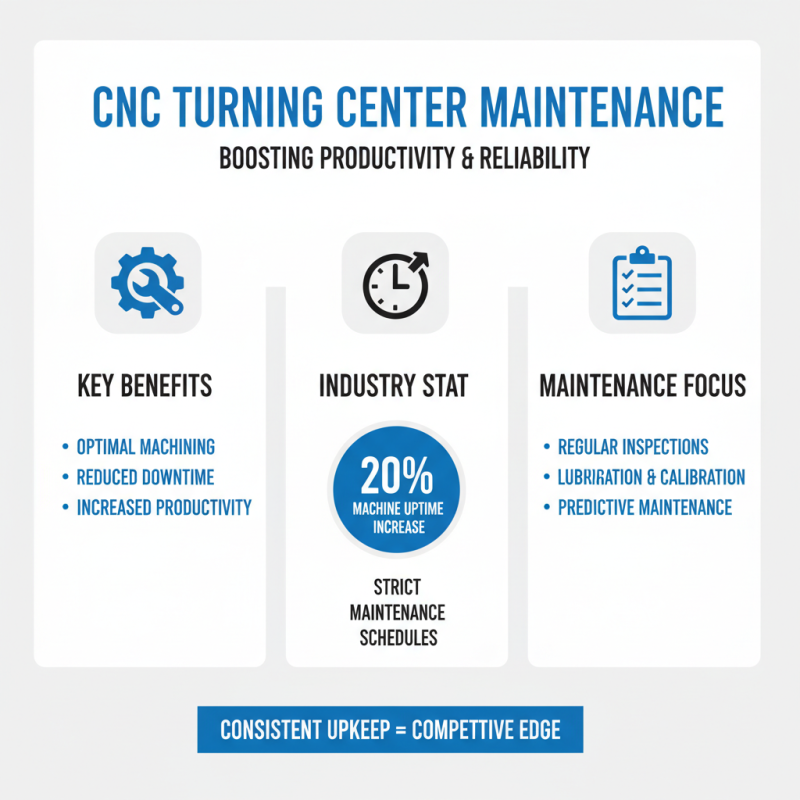
Maintaining CNC turning centers is crucial for achieving optimal machining results. Regular maintenance can significantly reduce downtime, enhancing productivity. According to industry reports, companies that adhere to strict maintenance schedules see a 20% increase in machine uptime. This statistic emphasizes the importance of consistent upkeep in a competitive environment.
One common issue in CNC turning centers is neglecting lubrication. Proper lubrication reduces friction and wear on the machining components. It’s recommended to check lubrication levels daily. Insufficient lubrication leads to reduced accuracy and can cause premature part failures. It's also essential to clean the machine regularly. Dust and debris can interfere with performance, decreasing machining precision.
Another area often overlooked is the calibration of tools. Misalignment can lead to significant errors in production. Many operators assume tools remain perfectly calibrated, but this is rarely the case. Regular inspections and calibrations can identify these issues early. In reality, about 30% of machining problems can be traced back to improper tool alignment. Addressing these maintenance aspects can dramatically improve overall machining efficiency.
Common Troubleshooting Techniques in CNC Machining
When troubleshooting in CNC machining, it's essential to identify common issues quickly. Tools may become dull, leading to poor finishes or inaccurate cuts. Regularly inspecting cutting tools can help avoid this. A worn tool might require more pressure, causing further problems.
Another frequent issue is chip buildup. Chips can obstruct the machining process, resulting in surface defects. Implementing effective chip removal systems can mitigate this. It's crucial to monitor the machine's cooling systems, as overheated components might cause delays.
Operators should also check for misalignments. A misaligned workpiece can lead to disastrous results. Simple adjustments can often resolve this. However, if a problem persists, seeking expert advice may be necessary. Each setback offers a chance to refine techniques and improve overall efficiency.