Why Choose a CNC Horizontal Machining Center for Your Manufacturing Needs?
In the competitive manufacturing landscape, choosing the right machinery is crucial. A CNC Horizontal Machining Center (HMC) stands out for its efficiency and precision. According to a report by Market Research Future, the CNC machining market is projected to reach $100 billion by 2026, indicating rapid industry growth. This highlights the increasing reliance on advanced machinery like the CNC HMC.
Expert in manufacturing technologies, Dr. Alex Johnson, states, "CNC Horizontal Machining Centers enhance productivity significantly." This statement reflects the consensus among professionals about the advantages offered by HMCs. They not only improve speed but also accuracy in complex parts production. However, investing in such technology requires careful evaluation.
While the benefits are apparent, potential users must consider factors like cost and maintenance. CNC Horizontal Machining Centers can involve a substantial initial outlay. The balance between investment and operational efficiency needs reflection. Ultimately, understanding these machines helps manufacturers make informed decisions to thrive in today's market.
Benefits of CNC Horizontal Machining Centers in Modern Manufacturing
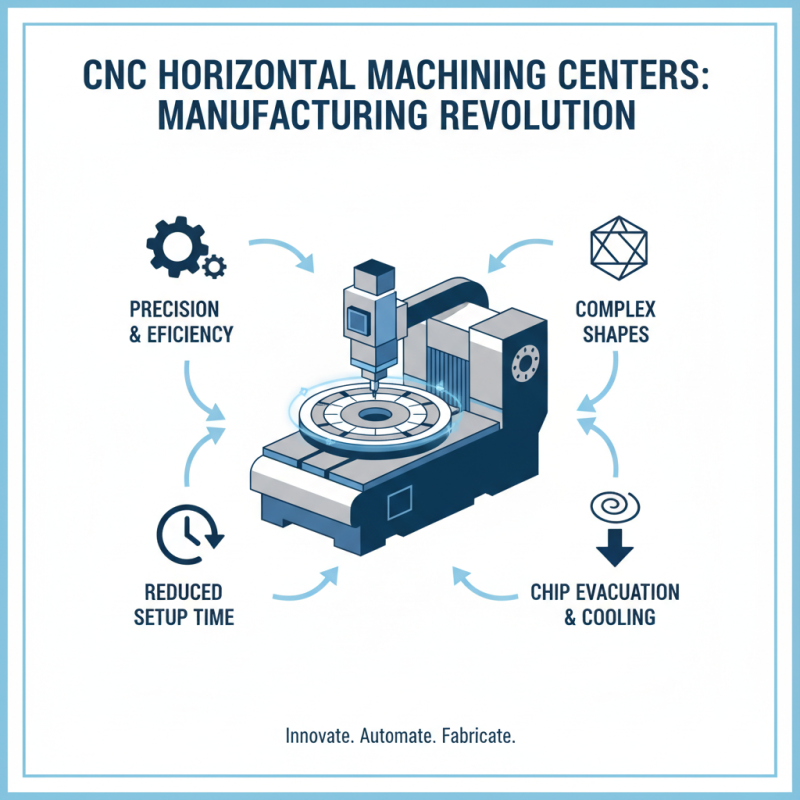
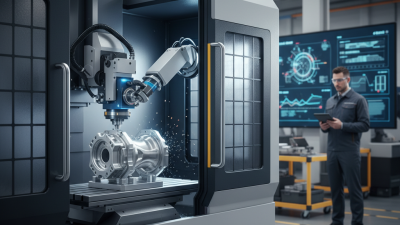
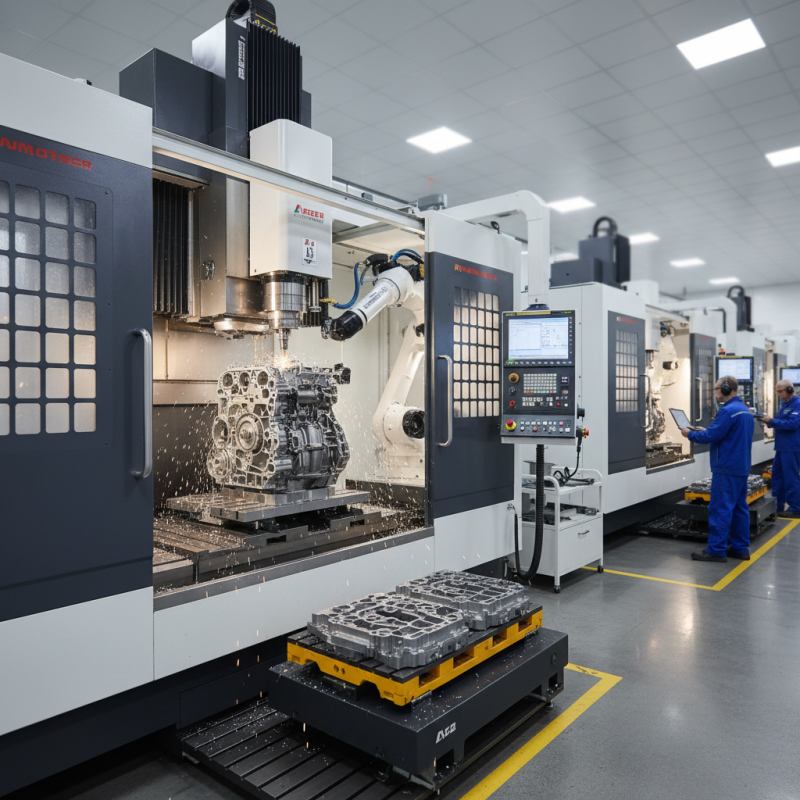
CNC horizontal machining centers are revolutionizing modern manufacturing. They offer several advantages that enhance precision and efficiency. These machines are designed to produce complex shapes with remarkable accuracy. They excel in creating parts that require multiple operations, reducing setup time. The horizontal orientation allows for better chip evacuation and cooler operation.
The versatility of these machining centers is noteworthy. They can handle a variety of materials, from metals to plastics. This flexibility makes them ideal for many industries. However, their complexity can be daunting. Programming and operation require skilled technicians. Mistakes in setup can lead to wasted material and time.
Investing in a CNC horizontal machining center can elevate production capabilities. Yet, companies must weigh costs against potential gains. Understanding the machine's limitations is crucial. Regular maintenance is essential to keep it running smoothly. Continuous learning and adaptation are necessary for maximizing their potential.
Key Features of CNC Horizontal Machining Centers to Consider
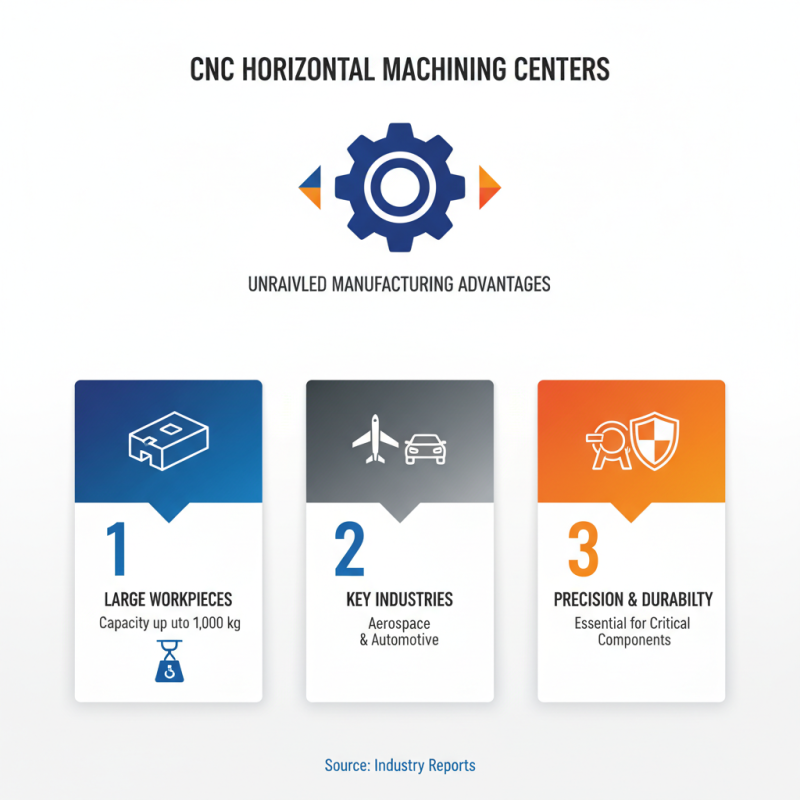
CNC horizontal machining centers (HMCs) offer unique advantages for manufacturing. One key feature is their ability to handle larger workpieces. According to industry reports, HMCs can accommodate parts weighing up to 1,000 kilograms. This capability is vital for sectors like aerospace and automotive manufacturing, where precision and durability are essential.
Another important aspect is the tooling flexibility. HMCs often come equipped with multiple spindle options. This means manufacturers can switch tools quickly, reducing downtime. Studies suggest that efficient tool change can improve productivity by up to 30%. However, the initial investment can be significant, which may deter some companies. It’s essential to weigh the upfront costs against long-term gains.
The design of HMCs enhances chip removal, critical for maintaining machining efficiency. As chips are removed more effectively, cycle times decrease. Yet, the cooling systems can sometimes fall short, requiring further assessment. Regular maintenance is necessary to ensure optimal performance, which some companies may overlook. Balancing these strengths and weaknesses is key in decision-making.
Comparison of CNC Horizontal Machining Centers with Other Machining Systems
CNC horizontal machining centers stand out in precision and efficiency. Unlike vertical machining centers, these horizontally oriented machines often provide better chip removal. This feature is critical when dealing with heavy materials, which can slow down production in vertical setups. According to a report by AMT (Association for Manufacturing Technology), horizontal centers can improve cycle times by up to 30%.
One vital aspect to consider is tool access. Horizontal machines allow for multiple setups in a single cycle. Therefore, manufacturers can save time and reduce errors. A study by SME (Society of Manufacturing Engineers) shows that over 60% of machinists prefer horizontal systems for complex parts. This is due to their ability to maintain tighter tolerances.
Tips: Always assess your production needs before upgrading. A horizontal machine may be more suitable for large, intricate parts. Additionally, think about the training needed for your staff. Transitioning to a new system can take time and adjustment. Trying to integrate new technology without proper training can lead to mistakes that might affect output quality.
Why Choose a CNC Horizontal Machining Center?
Applications and Industries That Benefit from CNC Horizontal Machining
CNC horizontal machining centers are essential in various industries. They are particularly beneficial for large parts that require precision. The automotive sector often relies on these machines for engine components. Complex shapes can be created with accuracy and efficiency. This is crucial in meeting stringent quality standards.
Aerospace manufacturing also benefits greatly. Components such as landing gears demand high precision and durability. CNC horizontal machining centers can reduce cycle times while maintaining tight tolerances. Increased output is a significant advantage. However, it’s important to address potential issues, like maintenance challenges. Regular checks are necessary to ensure optimal performance.
Medical device manufacturing is another field that utilizes these machines. Custom implants and surgical tools require flawless precision. Yet, adapting to changing requirements can be difficult. Flexibility is often necessary to meet diverse demands. Improvements in processes can lead to better results, but manufacturers must remain vigilant and responsive.
Why Choose a CNC Horizontal Machining Center for Your Manufacturing Needs?
| Industry |
Application |
Benefits of CNC Horizontal Machining |
| Aerospace |
Precision components for aircraft |
High accuracy and durability |
| Automotive |
Engine blocks and transmission cases |
Enhanced productivity and efficiency |
| Medical Devices |
Surgical instruments and implants |
Consistent quality and complex geometries |
| Electronics |
Casings and component parts |
Reduced waste and faster turnaround |
| Energy |
Turbine components and energy parts |
Improved material utilization and precision |
Cost-Effectiveness and Efficiency of Using CNC Horizontal Machining Centers
CNC horizontal machining centers offer significant cost-effectiveness for manufacturers. According to a recent survey by the National Institute of Standards and Technology, companies can reduce production costs by up to 30% when using these machines. This is largely due to their ability to handle multiple operations in a single setup, thereby minimizing the need for extensive manual labor.
Efficiency is another major benefit. CNC horizontal machining centers can achieve cycle times that are 50% faster than traditional vertical machines. They can perform simultaneous operations, which enhances productivity. Moreover, the precision provided by CNC technology reduces waste, leading to more sustainable practices.
However, it's essential to acknowledge that transitioning to CNC horizontal machining requires an upfront investment. Some manufacturers may struggle with the learning curve associated with the technology. Without proper training, the potential benefits may not be fully realized. Balancing these challenges with the long-term gains is crucial for optimal productivity.