How to Choose the Best CNC Turning Machine for Your Needs?
Choosing the right CNC turning machine is crucial for efficiency in engineering. Expert machinist John Thompson once said, “The right equipment can make all the difference in precision work.” His insight resonates deeply in a world where technology evolves rapidly.
CNC turning machines come with various features. The size, speed, and capabilities differ. Each aspect can significantly impact production. Understanding your specific needs is vital before making a decision. What types of materials will you be working with? This impacts the machine's durability and functionality.
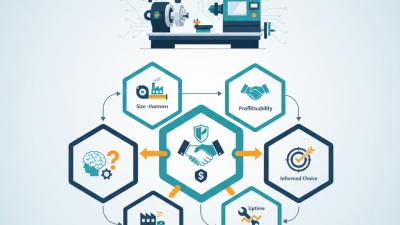
A common pitfall is rushing into a purchase without adequate research. Industry professionals recommend visiting trade shows or talking to experienced users. Their firsthand insights can illuminate the complexities involved. Consider how each machine aligns with your production goals. Reflect on your priorities and make an informed choice. Finding the best CNC turning machine requires patience and diligence.
Understanding CNC Turning Machines: Key Concepts and Components
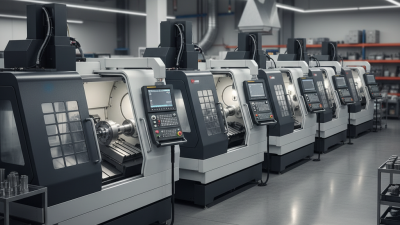
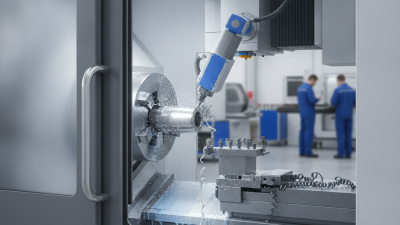
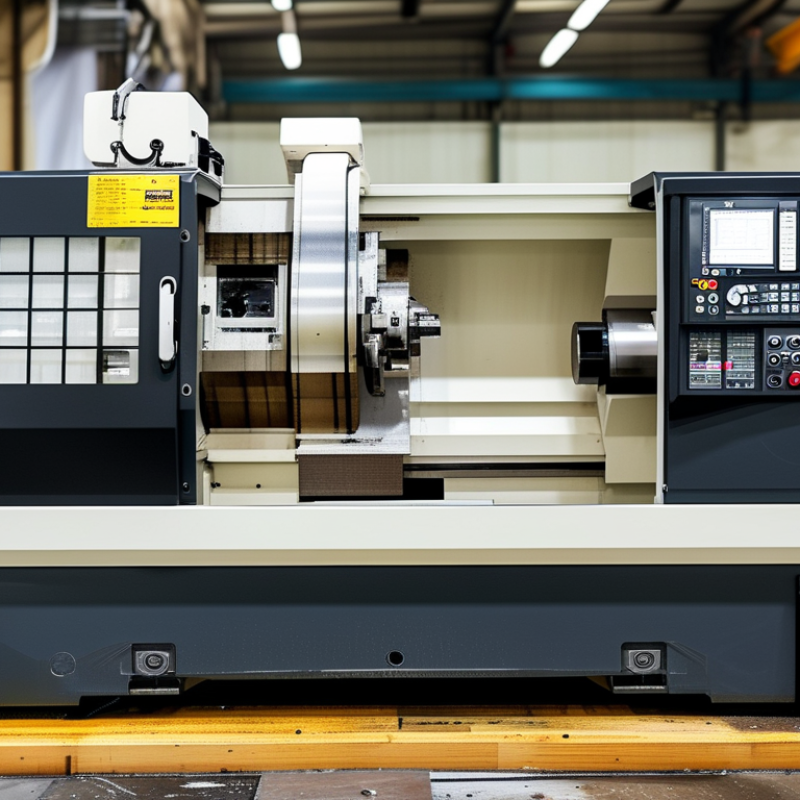
CNC turning machines play a crucial role in modern manufacturing. Understanding their key components and functionalities is essential for informed decision-making. A CNC lathe typically includes the spindle, tool holder, and the CNC controller. The spindle is vital, as it rotates the workpiece. The tool holder secures cutting tools, which shapes the materials. The controller interprets the design files to automate the machining process.
Research shows that CNC machines have revolutionized production. A report from the International Federation of Robotics indicated that global sales of CNC machinery reached $4.34 billion in 2021, with a projected growth rate of 7.8% annually. This growth underscores the industry's reliance on precision engineering. However, not all machines are created equal. Buyers must evaluate factors like spindle speed and torque, which directly impact machining quality.
It’s essential to consider your specific needs. Some users may find that high speed isn’t always necessary for their projects. Additionally, assessing available space for the machine is often overlooked. Understand the trade-offs between size, power, and functionality. Finally, always weigh the potential for operator training and maintenance costs in your decision-making process.
Assessing Your Production Needs: Size, Material, and Complexity
When selecting a CNC turning machine, your production needs should guide your choice. Evaluate the size of the components you need to manufacture. Smaller machines can limit your output, while larger machines may provide flexibility. Reports indicate that a growing number of manufacturers are opting for machines capable of handling both small and large workpieces, as this versatility can enhance productivity.
Material type also plays a crucial role in your decision. Different machines have varying capabilities for handling materials like aluminum, steel, or composite materials. According to industry data, almost 30% of manufacturers struggle with material compatibility. This struggle often leads to unplanned downtimes and increased costs. Choose a machine that aligns with your material needs to avoid these issues.
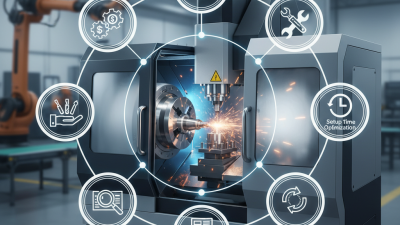
Complexity of the parts is another factor to consider. If your production involves intricate designs, ensure that the CNC turning machine offers advanced programming options. Many users underestimate the time required for setup and calibration. Taking the time to understand these features can save frustration later. Aim for a balance between capability and ease of use. Selecting the proper machine today can set the stage for your production success tomorrow.
Production Needs Assessment for CNC Turning Machines
Evaluating CNC Turning Machine Features: Speed, Precision, and Automation
When evaluating CNC turning machines, several key features are vital: speed, precision, and automation. Speed indicates how quickly the machine can complete a task. According to industry reports, high-performance CNC machines can operate at spindle speeds exceeding 10,000 RPM. This can significantly reduce cycle times and increase productivity. However, a faster machine may not always be the best choice. Balance between speed and accuracy is crucial.
Precision is another critical factor. The average tolerance for high-quality CNC turning can be as tight as 5 microns. Machines with advanced features, like live tooling, enhance their capability. Yet, operators must regularly calibrate and inspect equipment to maintain such precision. Neglecting this can lead to production inefficiencies and increased costs.
Automation enhances efficiency by minimizing manual intervention. A recent market analysis shows that fully automated CNC machines can boost output by up to 30%. However, adopting automation requires an investment in training and technology. Many companies face challenges integrating automation into their existing workflows. There’s a trade-off between upfront costs and long-term gains. Each choice impacts overall productivity.
Budget Considerations: Cost, Maintenance, and Long-term Investment
When selecting a CNC turning machine, budget considerations are paramount. The initial purchase price is only the beginning. Maintenance costs can add up over time. Regular servicing is essential for optimal performance. Understand what these maintenance tasks will involve. Some machines may require frequent adjustments or repairs, which can lead to hidden costs.
Long-term investment is another critical factor. A lower-priced machine might seem attractive but could lead to higher costs later. Consider the machine's durability. Assess its potential lifespan and resale value. A high-quality machine may cost more upfront but could save money in the long run. Evaluate how your production needs may evolve. Flexibility is key in a rapidly changing market.
Reflect on your specific operational requirements. Each project may have unique demands. Will the machine be versatile enough to handle them? What about the learning curve for your team? Assess whether training will be necessary. Finally, don’t ignore your production volume needs. A machine that can’t keep up may lead to bottlenecks, impacting overall efficiency.
Researching Manufacturers: Reputation, Support, and Warranty Services
When choosing a CNC turning machine, researching manufacturers is crucial. Start by exploring their reputation. A company with a solid track record typically indicates quality products. Look for reviews and testimonials from previous customers. This can provide insights into their experiences with the machinery.
Support is another vital aspect. Strong customer support can make a difference when issues arise. Check if the manufacturer offers training services and technical assistance. Availability during critical times is essential. You don’t want to be left in the lurch if a problem occurs.
Warranty services should not be overlooked. A comprehensive warranty reflects the manufacturer’s confidence in their products. Understand the terms and what is covered. Don’t hesitate to ask questions about limitations or exclusions. It’s important to grasp these details fully. Missing them can lead to unexpected costs later.