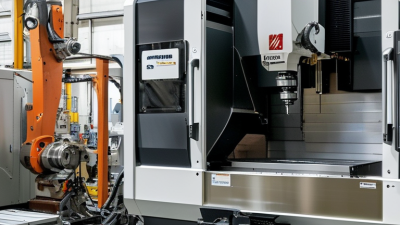
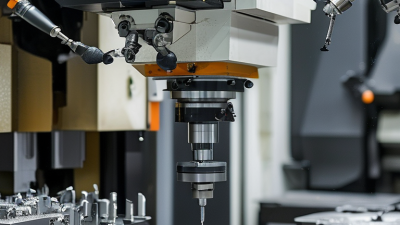
Why Choose a 5 Axis Machining Center for Your Business Needs?
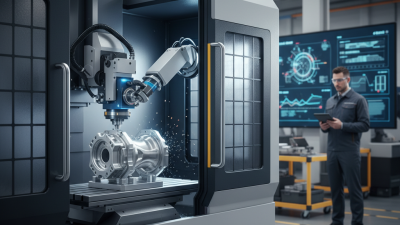
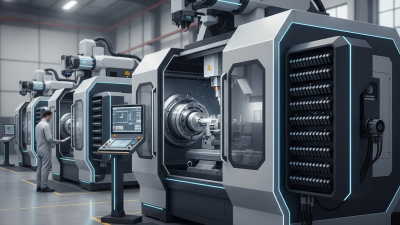
In today's competitive manufacturing landscape, choosing the right technology is crucial. The 5 Axis Machining Center stands out as a revolutionary tool. Experts agree on its transformative potential. “Investing in a 5 Axis Machining Center can elevate production standards,” says John Smith, a leading authority in precision machining.
The ability to maneuver pieces in five directions reduces production time significantly. This efficiency allows manufacturers to create complex geometries that were once challenging. Customers often seek precision. With a 5 Axis Machining Center, meeting these demands becomes feasible. However, integrating such technology requires careful planning and a skilled workforce. Some companies struggle with this transition, illustrating that not all are ready for advanced machinery.
While they promise increased accuracy and speed, costs can be prohibitive. Businesses must weigh these factors against their operational goals. Ultimately, the choice to invest in a 5 Axis Machining Center can define a company’s future in the industry. Understanding its benefits and challenges is vital for making informed decisions.
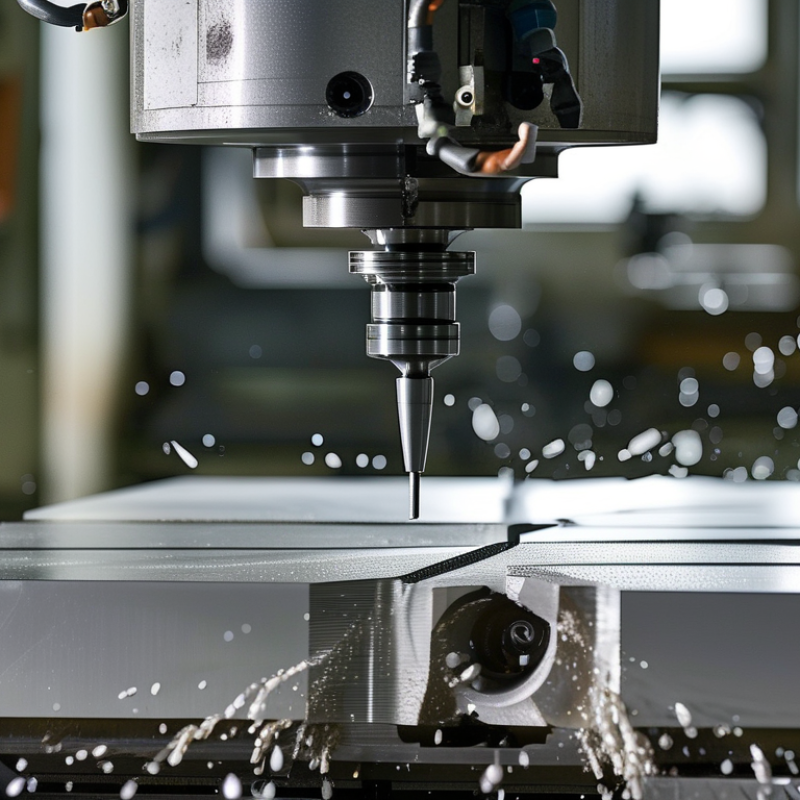
Benefits of 5 Axis Machining Centers for Precision Manufacturing
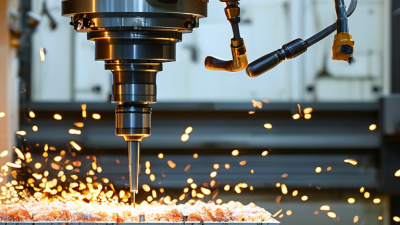
When considering precision manufacturing, 5 Axis machining centers offer remarkable benefits. They allow for intricate designs that traditional 3-axis machines cannot handle. This capability leads to improved product quality and reduced production time. When multiple sides of a part can be machined without repositioning, accuracy improves significantly.
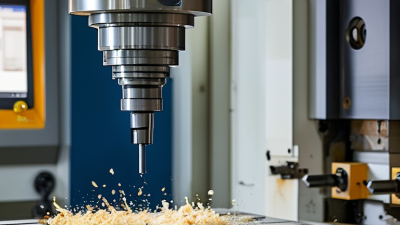
Here are a few tips to maximize the effectiveness of 5 Axis machining. First, ensure your CAD software is compatible. This helps streamline the design process, reducing errors. Next, invest in quality tooling. High-quality tools maintain tolerance levels and prolong machine life. Regularly check for wear and tear on both tools and machine parts.
Another consideration is employee training. Operators need to understand the complexities of 5 Axis machining. A trained team can better troubleshoot issues, preventing costly downtime. Continuous learning is vital in this evolving field. Mistakes can happen; analyze them for future improvement. Precision isn’t just about the machine; it’s about how well the team utilizes it.
Enhanced Efficiency and Productivity in Complex Machining Tasks
Investing in a 5-axis machining center can significantly boost your business's efficiency and productivity, especially for complex machining tasks. According to recent industry reports, companies utilizing 5-axis machining have seen reduction in machining time by up to 70%. This reduction translates into lower operational costs and faster project turnaround. The ability to execute intricate designs in a single setup eliminates the need for multiple tool changes, saving both time and resources.
One area to consider is the skill level required for operating a 5-axis machine. While these machines offer advanced capabilities, they also require trained operators knowledgeable in CNC programming and setup. This can be a hurdle for some businesses that lack the necessary expertise.
Tips: Invest in training programs. It helps maximize your machine's potential. Regular calibration and maintenance are essential. This ensures precision and longevity of the equipment. Keep in mind, the upfront costs can be high. However, the long-term savings from decreased labor and increased production speed often justify the initial investment. Some businesses may need time to adjust to new workflows, which can delay benefits. A gradual integration of 5-axis machining may be prudent.
Versatility in Material Handling and Design Capabilities
In today's manufacturing world, a 5-axis machining center offers remarkable versatility. Manufacturers can handle various materials like aluminum, titanium, and plastics. This functionality allows for the creation of intricate designs that were once difficult to achieve. Precision is key, and the ability to access all sides of a part increases accuracy. However, mastering these machines requires skilled operators who understand their capabilities and limitations.
The design potential with 5-axis machining is indeed vast. Complex geometries and multi-faceted components come to life with fewer setups. Yet, the learning curve can be steep. Not all companies have the immediate expertise needed. Adapting existing workflows to incorporate 5-axis processes can demand significant adjustment. This transition may lead to initial inefficiencies that require reflection and recalibration. As businesses explore these advanced centers, they often realize the importance of continuous training for their staff to maximize effectiveness.
Reducing Setup Time and Increasing Overall Workflow
When considering a 5-axis machining center, organizations seek to minimize setup time. This technology dramatically reduces the need for multiple setups. Traditional machining methods often require additional fixtures and tools, complicating the process. In contrast, a 5-axis center can handle complex geometries in a single setup. Reports by industry experts show that this can cut setup time by over 30%.
Efficiency is another gain. Companies can expect to increase their overall workflow significantly. When machines are running more frequently, productivity rises. According to data from the Manufacturing Institute, organizations utilizing advanced machining methods experience up to a 20% increase in output. However, managing this transition isn’t without challenges. A learning curve might exist, and machinery can initially seem daunting. There’s a need for training and adjustment in workflows.
Tips: Monitor your team’s adaptation to this technology closely. Create feedback loops for continuous improvement. Also, consider investing in training programs before implementing the new system. A well-prepared team can ensure smoother operations, reducing downtime.
Cost-Effectiveness and Long-Term Investment Considerations
Investing in a 5-axis machining center is a strategic move for many businesses. It not only enhances efficiency but also improves the bottom line. A report by the Association for Manufacturing Technology indicates that companies utilizing advanced machining centers can reduce production time by up to 30%. This translates directly into cost savings over time.
The long-term investment aspect is noteworthy. While the initial cost of a 5-axis machine can be significant, it often pays off over several years. Industry studies show that businesses experience a 20% increase in productivity. Additionally, with reduced setup times and fewer machine changes, companies can allocate resources more effectively. It’s crucial to evaluate the total cost of ownership, which includes maintenance and operational expenses.
However, the complexities of 5-axis machining present challenges. Operators require specialized training, which adds to upfront costs. Moreover, the technology may not be suitable for every application. Companies must assess their specific needs and production capabilities. An adequate balance between cost-effectiveness and operational efficiency will determine the success of the investment. Understanding these dynamics can help businesses make informed decisions.
Why Choose a 5 Axis Machining Center for Your Business Needs? - Cost-Effectiveness and Long-Term Investment Considerations
| Dimension |
Description |
Cost-Effectiveness |
Long-Term Investment |
| Production Speed |
Faster processing times compared to traditional machining |
Reduces labor costs and increases output |
High return on investment with increased efficiency |
| Complexity |
Ability to produce complex parts in one setup |
Minimizes material waste and setup times |
Long-term savings on material costs |
| Precision |
High accuracy and repeatability |
Reduces the cost of errors and rework |
Enhances brand reputation through quality |
| Flexibility |
Versatile machining capabilities for various materials |
Adapts quickly to changes in production demands |
Sustains long-term growth in product offerings |
| Automation |
Supports CNC automation for reduced manual input |
Decreases labor dependency and overhead |
Long-lasting machine performance with minimal downtime |