2026 Top Horizontal Machining Centers What to Look For?
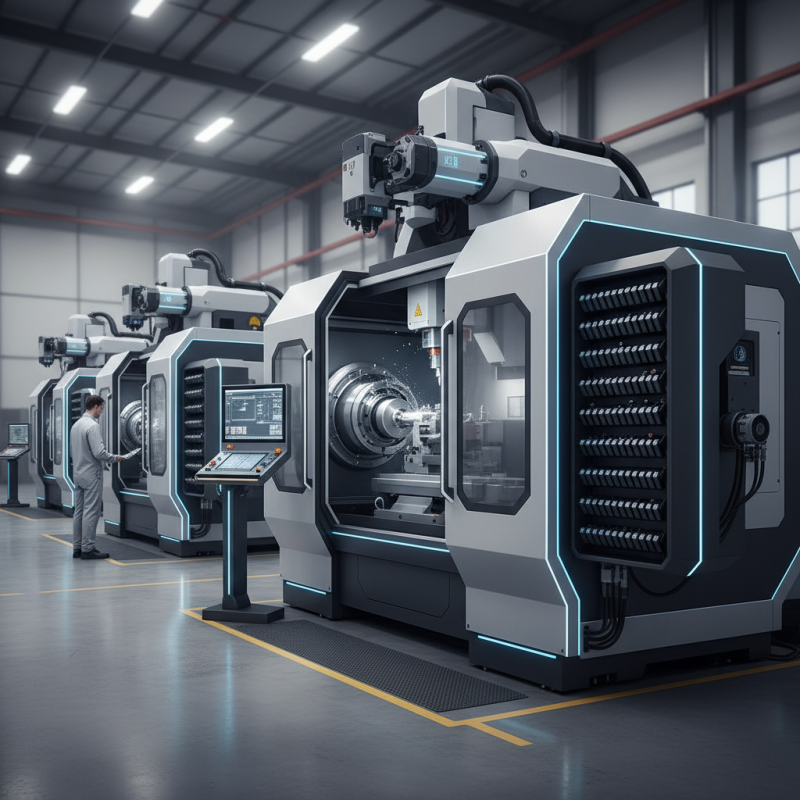
In the world of manufacturing, precision is key. A Horizontal Machining Center (HMC) plays a crucial role in achieving this. In 2026, the demand for advanced HMCs continues to grow. When looking to purchase one, various factors should be considered.
Quality and durability are paramount. The structure of the HMC affects its performance. A robust design ensures stability during high-speed operations. Look for features that enhance accuracy and reduce vibration. Spindle speed and tool capacity are also essential. They influence productivity levels in a busy shop.
However, choosing the right Horizontal Machining Center can be challenging. Many brands offer numerous models, each with unique capabilities. Potential buyers must weigh their specific needs against available options. Failure to do so might lead to regrets later. Investing in the right machine can significantly boost productivity and efficiency.
Key Features to Consider in Horizontal Machining Centers
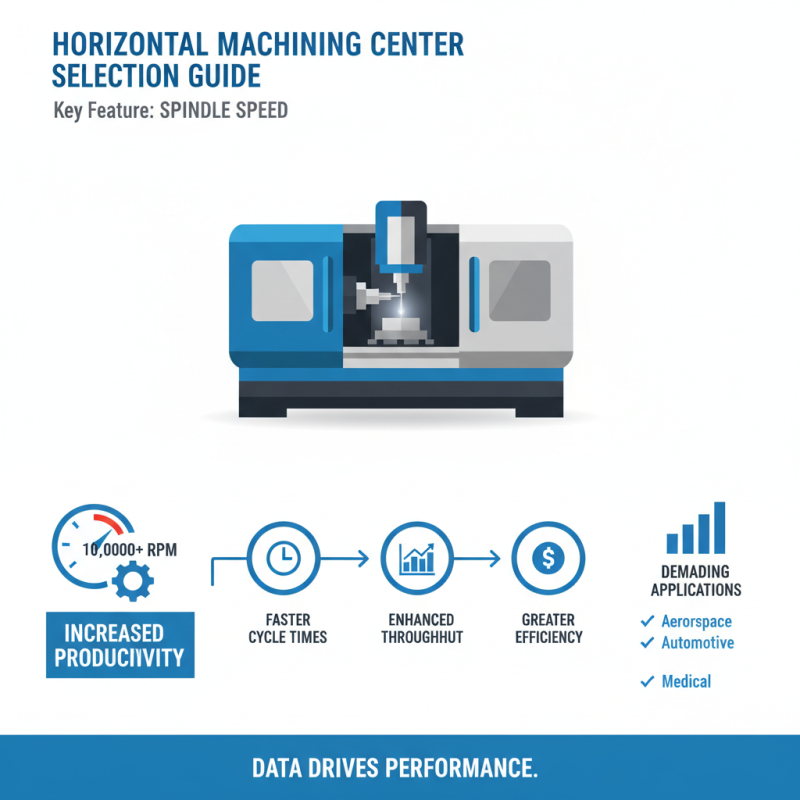
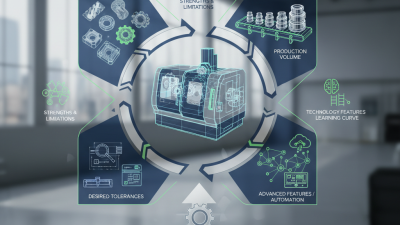
When selecting a horizontal machining center, several key features deserve attention. The spindle speed plays a crucial role in determining productivity. A higher spindle speed often means faster cycle times, influencing overall efficiency. Data suggests that machines with speeds exceeding 10,000 RPM can significantly enhance throughput in demanding applications.
Another vital feature is the machine's work envelope. The size and accessibility of the machining area are critical for accommodating various parts. A larger work envelope allows for more flexibility in machining complex components. Operators should consider whether the machine can handle the largest piece they typically work with.
Tips: Always assess the coolant system. Effective cooling improves tool life. A well-designed system ensures better chip removal and less heat buildup. Don't overlook the control interface. An intuitive interface can streamline operations and reduce training times for new operators.
Finally, consider the machine's energy efficiency. Many modern centers offer features that reduce energy consumption. It's beneficial to reflect on how these efficiencies can contribute to long-term savings while being environmentally friendly. Balancing cost, efficiency, and capabilities can be challenging but is crucial for investment decisions.
Importance of Accuracy and Tolerance in Machining Centers
When choosing a horizontal machining center, accuracy and tolerance are crucial factors. Precision in machining helps achieve the desired dimensions and surface finishes. Even a small deviation can lead to costly errors in production. Inspect the specifications closely. Understand the tolerances your projects require. This ensures the machine can meet those standards.
Tips: Always request a sample part. Examine the consistency and quality. This reflects the machine’s capability in real-world applications. Additionally, consider environmental influences. Temperature changes can affect accuracy. A stable working environment helps maintain better tolerance levels.
The build quality of the machine matters too. Poor construction can lead to vibrations, impacting precision. Regular maintenance is essential to ensure longevity and accuracy. Evaluate how easy it is to maintain the machine. Complex designs can complicate maintenance tasks. Simplicity in engineering may often result in better overall performance.
Accuracy and Tolerance in Horizontal Machining Centers
Assessing Milling Speed and Performance Metrics
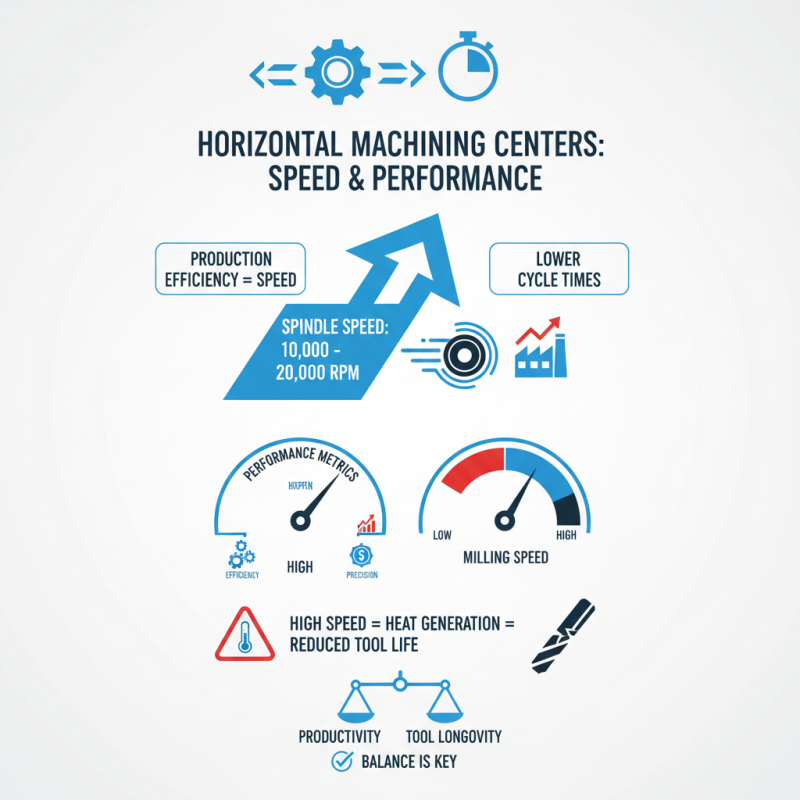
When evaluating the milling speed and performance metrics of horizontal machining centers, specific factors are essential. Speed is paramount in production efficiency. The average spindle speed for high-performance machines can range from 10,000 to 20,000 RPM. Higher speeds can reduce cycle times, enabling manufacturers to meet increasing demand. However, higher speeds may lead to heat generation that negatively impacts tool life.
In terms of performance metrics, feed rate and chip removal volume are crucial. Industry studies indicate that an optimal feed rate can reach up to 120 inches per minute. This helps maximize productivity but may require robust tool designs to handle stress. Conversely, exceeding recommended feed rates can result in tool wear or damage. The balance between speed, feed rate, and tooling is often a point for reflection in operational strategies.
Another often-overlooked aspect is vibration control. Excessive vibration can impact cutting precision and surface finish. Research suggests that using vibration-damping technology can significantly enhance performance. It necessitates an investment in ongoing technology to adapt to evolving machining paradigms. Therefore, understanding the nuances of milling metrics is vital for any operation aiming for efficiency and precision.
Material Compatibility and Tooling Options
When selecting horizontal machining centers in 2026, material compatibility and tooling options are vital. Understanding the types of materials you’ll be working with is essential. Different machining centers handle materials like aluminum, steel, and titanium differently. A recent report indicates that machining centers designed for aluminum reduce cycle times by up to 30%. In contrast, those tailored for harder materials can double tool life, making them cost-effective in the long run.
Tip: Always assess your material requirements before choosing machinery. This step can save you from costly mistakes. Tooling options are equally important. Advanced tooling systems allow for versatility, enabling you to adapt to various projects. Reports show that businesses using adaptable tooling increase production efficiency by 25%. This adaptability means fewer machine changes are necessary, thereby reducing downtime.
Still, many companies overlook the importance of integrating the right tools with their machines. Sometimes, operators choose tools based purely on availability rather than compatibility. This can lead to sub-optimal performance and wear. Always weigh your options and consider the long-term implications of your tooling decisions.
2026 Top Horizontal Machining Centers
| Model |
Max Workpiece Size (mm) |
Material Compatibility |
Tooling Options |
Spindle Speed (RPM) |
| Horizontal Model A |
800 |
Aluminum, Steel, Copper |
Tapered, Solid Carbide |
12000 |
| Horizontal Model B |
1000 |
Steel, Titanium |
Indexable, Inserts |
10000 |
| Horizontal Model C |
600 |
Composite Materials |
Multi-Tools |
15000 |
| Horizontal Model D |
750 |
Stainless Steel, Brass |
Solid Carbide, Cobalt |
8000 |
Evaluating Maintenance and Support for Machining Equipment
When investing in horizontal machining centers, evaluating maintenance and support is crucial. Effective maintenance can reduce downtime and extend the life of the equipment. A recent survey found that 73% of manufacturers experience unplanned downtime due to equipment failure. This highlights the importance of a robust maintenance plan.
Support services are equally vital. A report indicated that 65% of companies prioritize responsive technical support for their machining centers. Spanning from routine servicing to emergency repairs, quick access to support can make or break productivity. It's important to assess the availability of local service teams and parts. Waiting days for a replacement part can halt operations.
Every facility has unique needs. While some may have in-house maintenance teams, others might rely heavily on vendor support. It’s essential to ensure the chosen partner has a strong track record. Understand their response times and customer satisfaction ratings. Sometimes, it might reveal shortcomings in their offerings. The goal is to find a balance between cost and reliability, which can require tough choices.